
Understanding Canine Anxiety and Stress
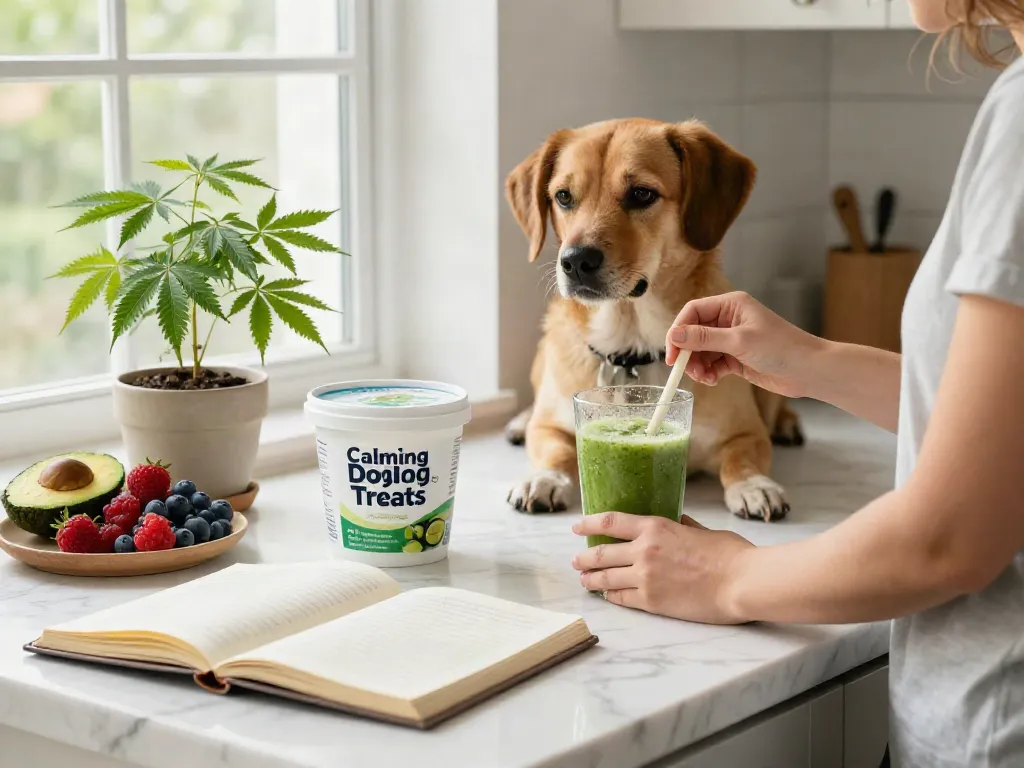
Just like humans, dogs experience stress and anxiety that can affect their overall well-being. Various factors contribute to these emotional challenges, including changes in routine, loud noises, new environments, and even separation from their owners. Understanding how these factors impact dogs can help pet owners take better care of their furry companions. When exploring options, Calming Dog Treats can serve as a supplemental approach to promoting a more relaxed state for your pet.
What Causes Stress in Dogs?
Dogs may experience stress due to various reasons, which can be broadly categorized into external and internal factors. External factors include loud noises (like thunderstorms or fireworks), changes in the environment (such as moving to a new home), and interactions with unfamiliar people or animals. Internal factors may encompass health issues, hormonal changes, or even past trauma. Identifying the source of your dog's stress is crucial in addressing their needs effectively.
Common Signs of Canine Anxiety
Recognizing the signs of anxiety in dogs can help owners respond appropriately. Common symptoms include:
- Excessive barking or whining
- Pacing or restlessness
- Destructive behavior, such as chewing furniture
- Avoidance of certain areas or situations
- Increased heart rate or panting
- Changes in appetite
If your dog exhibits any of these behaviors, it may be time to evaluate their environment and consider options for support.
The Role of Routine in Dog Behavior
Dogs thrive on routine, which provides stability and predictability. Changes in their schedule can lead to feelings of anxiety. For instance, a variation in feeding times, walks, or playtime can contribute to stress. By maintaining a consistent daily routine, owners can help their dogs feel more secure and reduce anxiety levels.
Calming Dog Treats: Ingredients and Benefits
Key Ingredients in HighV Calm & Relax Treats
The HighV Calm & Relax Dog Treats contain a blend of active ingredients specifically chosen to support calmness and emotional balance in dogs. Each chew includes:
- Valerian Root (30mg)
- Lemon Balm (20mg)
- L-Theanine (20mg)
- L-Tryptophan (20mg)
- Magnesium Citrate (10mg)
- Ashwagandha Root (10mg)
How Each Ingredient Functions
- Valerian Root: Used for its calming properties, this herb can help settle dogs experiencing temporary stress, such as during thunderstorms or fireworks.
- Lemon Balm: A member of the mint family, this herb is traditionally recognized for its ability to alleviate tension and promote relaxation.
- L-Theanine: An amino acid found in green tea, L-Theanine promotes calmness while maintaining alertness, which is essential for training and focus during stress-inducing situations.
- L-Tryptophan: This essential amino acid aids in the production of serotonin, which regulates mood and emotional well-being.
- Magnesium Citrate: Vital for normal nerve and muscle function, magnesium is often depleted during times of stress
- Ashwagandha Root: An adaptogenic herb, ashwagandha helps build resilience to stress over time, making it suitable for dogs who are frequently anxious.
Benefits of Regular Use
By feeding HighV Calm & Relax Treats daily and in conjunction with a consistent routine, pet owners can expect to see improvements in their dogs' behavior. Regular usage helps support emotional balance which ultimately contributes to a more settled and less anxious dog. Unlike sedatives, these treats provide nutritional support that helps dogs manage their stress responses more effectively.
Feeding Guidelines for Success
How to Introduce Calming Treats
Introducing calming treats to your dog's diet should be done gradually. Start with a smaller amount to ensure your pet does not have any adverse reactions. Gradually increase the dosage until reaching the recommended daily serving. Always observe for any changes in behavior or digestion during this transition period.
Feeding Schedule: When and How Much?
The recommended feeding schedule for HighV Calm & Relax Treats involves providing one chew daily with a meal. For specific anticipated stressors, such as travel or fireworks, give the daily amount one to two hours before the triggering event. Consistency is key in optimizing the benefits of these calming chews.
Recommended Duration for Noticeable Effects
While many dogs may show improvement within the first few days of usage, it is advisable to consistently feed the treats for at least two to four weeks for the best results. Ingredients such as L-theanine and ashwagandha need time to build up in the system before their full effects can be realized.
Safety and Suitability Considerations
Are Calming Treats Safe for All Dogs?
HighV Calm & Relax Treats are suitable for all dog breeds and ages starting from twelve weeks of age. These treats are free of CBD, THC, and artificial additives, making them a safe option for most dogs. However, it is important to consult with your veterinarian if your dog has any medical conditions or is on medication.
Common Misconceptions About CBD and Calming Chews
Many pet owners may confuse calming chews with products that contain CBD. It is essential to note that HighV Calm & Relax Treats do not contain CBD, hemp, or THC. Instead, they use a combination of natural ingredients to support relaxation without the psychoactive effects associated with cannabinoid products.
Potential Side Effects and Interactions
Generally, HighV Calm & Relax Treats are well tolerated; however, some dogs may experience soft stools during the adjustment period. If your pet displays any concerning behaviors or symptoms, such as lethargy or digestive issues, consult your veterinarian promptly. Additionally, if your dog is taking prescription medications, especially for anxiety or sedation, a discussion with your vet about the supplement is advisable.
Additional Support for Anxious Pets
Complementing Treats with Training Techniques
Using calming treats in conjunction with positive reinforcement training techniques can be beneficial for anxious dogs. Training exercises that focus on desensitization can help your dog acclimate to stress triggers, thus lowering their anxiety over time. Pairing treats with these training methods can create a more supportive and effective strategy for managing stress.
Alternative Calming Solutions and Products
In addition to calming chews, various other calming products can support anxious dogs. Consider options like calming collars, pheromone diffusers, or relaxing music designed specifically for pets. Each product works differently for individual dogs, so exploring various options can help find the perfect fit for your pet.
Consulting a Veterinarian for Severe Cases
If your dog’s anxiety seems severe, sudden, or increasingly worsens, it is imperative to consult with a veterinarian. Professional guidance is crucial, as they can evaluate potential underlying health issues and recommend appropriate treatments or therapies that are suitable for your dog’s condition.
Do calming treats really work for dogs?
Calming treats can be effective for many dogs, especially those who experience everyday stressors. While results may vary, pet owners often report noticeable improvements in their dogs' behavior when calming treats are fed consistently as part of a structured routine.
What are the most effective calming treats for dogs?
When selecting calming treats, look for those that include multiple natural ingredients known for their calming properties, like L-Theanine, valerian root, and ashwagandha. Products with precise ingredient amounts allow for better understanding and comparisons.
How should I choose calming treats for my dog?
Consider your dog's size, age, and the type of stress they experience. Look for treats formulated with proven calming ingredients and always consult your veterinarian for recommendations tailored to your dog's specific needs.
Can I give calming treats to my puppy?
Puppies over twelve weeks of age can safely consume calming treats. However, consider individual puppy behaviors and consult your veterinarian to ensure these treats align with their developmental needs.
Are HighV Calm & Relax Treats right for older dogs?
Senior dogs often face increased anxiety due to changes in their health and environment. HighV Calm & Relax Treats provide a beneficial option to help older pets manage stress and remain comfortable in their daily lives. Always consult your veterinarian to ensure compatibility with any existing medications.