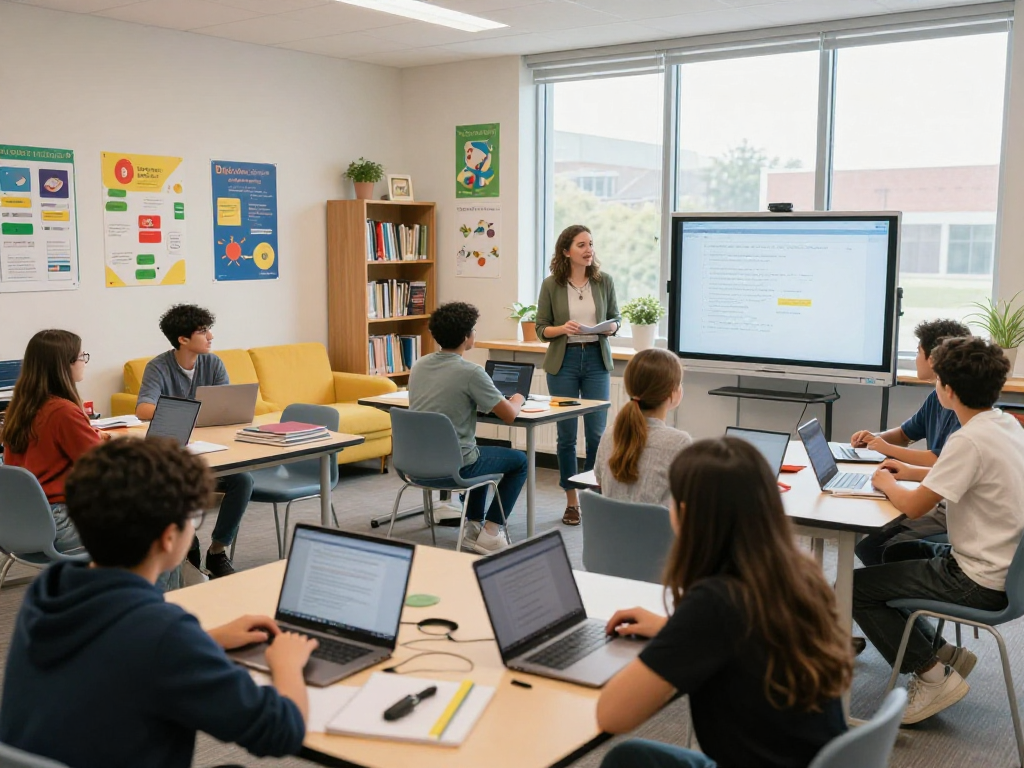
Understanding the Importance of English Classes for Children
In today's interconnected world, mastering the English language is more crucial than ever for children. Proficiency in English opens doors to numerous opportunities in education, career, and beyond. Early exposure to language skills can do wonders for a child's cognitive and social development. By enrolling children in effective English classes for children, parents can instill a lifelong love of learning while equipping them with essential communication skills.
Why Early English Language Skills Matter
Research shows that children who learn a second language at a young age develop better problem-solving skills, enhanced creativity, and improved academic performance. Early language acquisition also boosts self-esteem and cultural awareness, enabling children to navigate diverse environments confidently. By learning English, which is a global lingua franca, children can connect with a wider audience, fostering friendships and collaboration.
Benefits of One-on-One Tutoring in Language Learning
One-on-one tutoring provides a tailored learning experience that caters to the unique needs of each child. Personalized attention allows tutors to identify specific strengths and weaknesses, facilitating a more effective learning process. This individualistic approach also ensures that children progress at their own pace, preventing feelings of frustration or overwhelm. Furthermore, one-on-one sessions can be more engaging, as tutors can adapt their teaching methods to suit the child's learning style, making language acquisition both fun and productive.
Common Misconceptions About Online English Classes
Many parents harbor misconceptions about online English classes, viewing them as less effective than traditional in-person classes. However, the reality is that well-structured online platforms can offer equally enriching experiences. With interactive tools, gamified learning, and access to qualified tutors, online classes can cater to diverse learning preferences. Additionally, online classes provide flexibility in scheduling, making it easier for families to fit language learning into their busy lives.
Choosing the Right English Classes for Your Child
When it comes to choosing English classes, the selection process can feel overwhelming for parents. Several critical factors should be considered to ensure that your child receives the best possible education. Begin with evaluating the qualifications and teaching methodologies of potential tutors.
Evaluating Tutor Qualifications and Methodologies
It's essential to research the qualifications of tutors thoroughly. Look for experienced individuals with relevant educational backgrounds and a passion for teaching. Inquire about their teaching methodologies, as different approaches can yield different results. For instance, some tutors may favor traditional grammar-focused techniques, while others might use immersion methods designed to encourage natural language use through conversation. Ensuring that the tutor aligns with your child's learning style will lead to a more successful learning experience.
How Learning Styles Influence Class Selection
Every child has a unique learning style, which can significantly impact how they absorb new information. Some children are visual learners, while others may be auditory or kinesthetic learners. Understanding your child's preferred learning mode is vital in selecting the right English classes. Choose a tutor who can cater to these preferences—whether through the use of visual aids, interactive storytelling, or hands-on activities. Catering to individual learning styles enhances engagement and retention.
Interactive vs. Traditional Learning Approaches
When considering English classes, parents should weigh the pros and cons of interactive versus traditional learning approaches. Interactive methods typically employ games, real-life scenarios, and technology to make learning enjoyable and relatable for children. Conversely, traditional methods focus on rote learning and structured lessons. While both approaches have merits, many children thrive in interactive settings where they can apply language skills practically. Choosing a class that strikes the right balance can enhance your child's learning experience.
Engaging Curriculum: What to Expect from English Classes
An effective curriculum is one of the cornerstones of high-quality English classes. Parents should be keen on understanding what learning materials and methods are employed in the curriculum to ensure that their child’s learning is both fun and effective.
Fun and Interactive Learning Materials
Interactive learning materials can make a significant difference in the language acquisition process. Engaging resources—such as animated videos, interactive quizzes, and colorful storybooks—capture children’s attention and stimulate their desire to learn. Programs that incorporate thematic units allow children to explore language in context, promoting better understanding and recall.
Integrating Technology for Enhanced Learning Experiences
In today's digital age, technology should play an essential role in language learning. Tools such as language apps, online games, and digital flashcards not only make learning more enjoyable but also facilitate self-paced study. Tutors who leverage technology effectively can create a more dynamic learning environment that keeps children engaged and motivated.
Adapting Lessons to Individual Learning Goals
Every child has unique strengths, weaknesses, and learning goals. A good English class will offer personalized lesson plans that consider each child's current skill level and aspirations. Regular assessments will help track progress and refine learning objectives, ensuring that the tutoring remains relevant and effective over time.
Measuring Progress in English Language Acquisition
Monitoring progress in language learning is crucial for understanding a child's development and ensuring they are meeting their educational goals. Parents should know what benchmarks to look for and how to interpret progress reports effectively.
Setting Realistic Learning Milestones
Setting achievable milestones can motivate children and provide them with a clear roadmap for their language learning journey. These milestones can include mastering specific vocabulary sets, being able to hold a brief conversation, or completing certain reading levels. By acknowledging smaller achievements, children are more likely to stay motivated and engaged.
Tracking Improvement and Engagement Levels
Regular feedback from tutors is invaluable for tracking improvement and engagement levels. Parents should communicate with tutors about their child's progress and areas for improvement. Many online platforms provide detailed reports that outline student engagement and performance, helping parents stay informed.
When to Consider Changing Tutors or Methods
Sometimes, despite best efforts, a child may not be thriving in their current learning environment. Recognizing the signs—such as a lack of enthusiasm, declining performance, or ineffective communication—can signal that it may be time to consider changing tutors or methodologies. Finding the right fit is critical to ensuring a positive and successful learning experience.
Future Trends in English Language Education for Children
As we move further into the 2026 educational landscape, significant trends are emerging in English language education for children. These trends reflect advances in technology, pedagogy, and the evolving needs of learners.
The Role of Artificial Intelligence in Tutoring
Artificial Intelligence (AI) is set to transform the tutoring landscape dramatically. AI-driven platforms can provide personalized learning experiences at scale, adapting to each child's pace and learning style. This not only enhances engagement but also allows for real-time assessments and feedback, streamlining the learning process considerably.
Emerging Language Learning Technologies in 2026
The landscape for language learning technologies is rapidly expanding. Virtual and augmented reality tools now offer immersive experiences that can place children in virtual English-speaking environments. These technologies help learners practice their skills in context, promoting real-world applicability and retention.
Global Perspectives on English Education
As globalization continues, exposure to different cultural perspectives in English education is increasingly important. Children can benefit from learning about diverse cultures and contexts in which English is used. Programs that incorporate global literature, international communication, and cross-cultural exchanges will enrich the educational experience and prepare learners for an interconnected world.
What Makes LearnLink a Leader in English Tutoring?
LearnLink stands out as a premier provider of English classes for children by combining expert tutors, innovative learning methodologies, and a focus on individual student needs. With a commitment to engaging and interactive lessons, LearnLink uses the latest educational technologies to enhance the learning experience. Their dedication to providing personalized attention ensures that children receive the support they need to thrive in their language learning journey.