Understanding Beyin Tümörü Ameliyatı
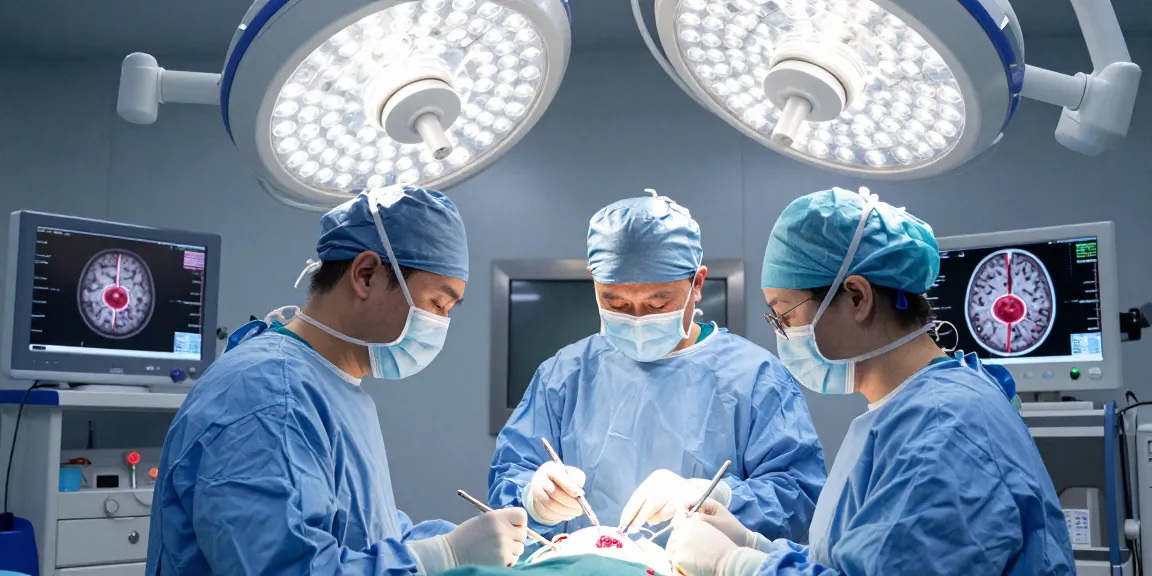
Beyin tümörü ameliyatı, hem iyi huylu hem de kötü huylu beyin tümörlerinin tedavisinde en etkili yöntemlerden biridir. Bu cerrahi işlem, tümörün boyutuna, yerine ve hastanın genel sağlık durumuna bağlı olarak değişiklik gösterir. Beyin tümörü ameliyatında, hastaların cerrahiden önce ve sonra dikkat etmeleri gereken birçok önemli husus vardır. Moreover, when exploring options, beyin tümörü ameliyatı provides comprehensive insights into the surgical journey, including pre-operative assessments and post-operative care.
What is Brain Tumor Surgery?
Brain tumor surgery is a medical intervention aimed at removing tumors located in or around the brain. The surgery may involve the resection of brain tissue, depending on the type and position of the tumor. There are various surgical techniques employed, including open craniotomy and minimally invasive procedures, each tailored to the individual patient's condition. The primary goal is not only to eliminate the tumor but also to preserve surrounding healthy tissue and neurological function.
Types of Brain Tumors Addressed
Brain tumors can be classified into various categories based on their origin and characteristics. Some common types include:
- Meningiomas: Typically benign tumors that arise from the meninges, the protective layers surrounding the brain.
- Glial tumors: These include astrocytomas, oligodendrogliomas, and the most aggressive form, glioblastomas (GBM).
- Metastatic tumors: Tumors that spread to the brain from other parts of the body, such as lung or breast cancer.
Importance of Early Detection and Treatment
Early detection of brain tumors significantly increases the chances of successful treatment. Symptoms of brain tumors can vary widely, including headaches, vision changes, seizures, and cognitive difficulties. Regular check-ups and imaging studies, such as MRI scans, are crucial for identifying tumors at an early stage when treatment options are most effective. In many cases, prompt medical intervention can halt the progression of the disease and enhance the quality of life.
The Surgical Process of Beyin Tümörü Ameliyatı
Pre-Operative Assessments and Planning
Prior to surgery, comprehensive assessments are conducted to evaluate the patient's overall health and the specifics of the tumor. This includes:
- Imaging studies (MRI or CT scans) to determine tumor size, location, and its effect on surrounding structures.
- A physical exam and neurological assessment to evaluate cognitive function and motor skills.
- Consultations with a multidisciplinary team, including neurosurgeons, oncologists, and radiologists, for a tailored treatment plan.
Step-by-Step Surgical Techniques
The surgical technique chosen depends on the tumor type and location. Surgical stages typically include:
- Preparation: The patient is positioned correctly to minimize pressure on the brain and to provide the best access to the tumor. Anesthesia is administered.
- Craniotomy: A small section of the skull is removed to access the brain. This process is guided by pre-operative imaging and intraoperative navigation systems.
- Tumor Resection: The surgeon carefully excises the tumor using microsurgical techniques to preserve critical surrounding tissues.
- Closure: After tumor removal, the surgical site is meticulously closed, and the bone flap is secured back in place.
Post-Operative Care and Recovery Protocols
Following surgery, patients are closely monitored in a recovery unit or intensive care setting. Key aspects of post-operative care include:
- Monitoring for signs of complications, such as bleeding or infection.
- Pain management and ensuring patient comfort.
- Gradual reintroduction of daily activities, guided by healthcare providers.
- Regular follow-ups with imaging studies to assess recovery and detect any recurrence of the tumor.
Risks and Complications of Beyin Tümörü Ameliyatı
Common Surgical Risks
Like any major surgical procedure, brain tumor surgery carries inherent risks. Potential complications include:
- Infection at the surgical site.
- Excessive bleeding leading to hematoma formation.
- Neurological deficits such as weakness, speech issues, or sensory loss.
Long-Term Effects and Managing Complications
Long-term effects can vary significantly among patients. Some may experience neurological impairments, while others may fully recover. Rehabilitation programs, including physical, occupational, and speech therapy, can help manage and mitigate these complications. Regular follow-ups are essential to monitor the brain's health and the patient's overall progress.
Patient Experiences and Testimonials
Sharing personal stories and testimonials from patients who have undergone brain tumor surgery can be beneficial for those facing similar situations. It offers insight into the emotional and physical journey, as well as the importance of support systems and follow-up care.
Innovations in Beyin Tümörü Ameliyatı Techniques
The Role of Advanced Technology
Technological advancements have significantly improved the safety and efficacy of brain tumor surgeries. Innovations include:
- Neuro-navigation: Similar to GPS for the brain, this technology aids surgeons in reaching tumors accurately while avoiding critical structures.
- Intraoperative imaging: Techniques such as MRI and ultrasound performed during surgery help in real-time decision-making.
- Minimally invasive techniques: Endoscopic procedures allow for smaller incisions and quicker recovery times.
Benefits of Awake Brain Surgery
Awake brain surgery, or awake craniotomy, is a technique where the patient is awake during specific parts of the surgery. This approach allows surgeons to test functional areas of the brain in real-time, significantly reducing the risk of post-operative neurological deficits. It’s particularly beneficial for tumors located near critical speech and motor areas.
Future Trends: Minimally Invasive Procedures
The future of brain tumor surgery is leaning toward minimally invasive techniques, which promise reduced recovery times and complications. These procedures involve smaller incisions and less trauma to the surrounding brain tissue, which could revolutionize how neuro-oncological surgeries are performed.
Cost and Accessibility of Beyin Tümörü Ameliyatı
Understanding the Financial Aspects
The cost of brain tumor surgery can vary significantly based on location, the complexity of the surgery, and the healthcare provider. Patients should be prepared to discuss financial aspects with their healthcare team to understand what costs may be covered by insurance.
Insurance Considerations
Insurance coverage for brain tumor surgery often depends on the individual policy and medical necessity. Patients should thoroughly review their plans to understand what is included and consider discussing options with their insurance providers to ensure coverage.
Finding the Right Healthcare Provider
Choosing the right healthcare provider for brain tumor surgery is crucial. Patients should seek out neurosurgeons with specific experience in treating the type of tumor they have, considering factors such as the surgeon's success rates and the facility's resources.
What are the signs of needing brain surgery?
Signs indicating the need for brain surgery may include persistent headaches, seizures, cognitive declines, or neurological deficits. If such symptoms occur alongside MRI findings of tumors, surgical intervention may be necessary.
How long is recovery after beyin tümörü ameliyatı?
The recovery duration after brain tumor surgery varies, generally taking from a few weeks to several months, depending on the patient's overall health and the extent of the surgery performed.
What should I expect during brain tumor surgery?
Patients can expect to undergo a series of evaluations prior to surgery. On the day of the operation, they will be administered anesthesia, and the surgical team will perform the procedure following strict safety protocols.
Are there alternatives to surgical treatment for brain tumors?
While surgery is a primary treatment for many brain tumors, alternatives may include radiation therapy, chemotherapy, or targeted therapies, depending on the tumor type and patient condition.
How do I choose a brain surgeon?
Patients should consider the surgeon's experience, success rates, patient reviews, and the specialization in dealing with specific types of brain tumors when selecting a surgeon.. Additionally, beyin tümörü ameliyatı provides further details.