Understanding the DTV Visa Thailand: Key Features
As more individuals seek opportunities to work remotely while embracing new cultures, the dtv visa thailand stands out as an appealing option for digital nomads. This innovative visa program allows eligible applicants to establish a temporary residence in the enchanting land of smiles, known for its vibrant cities, stunning beaches, and rich cultural tapestry. The allure of Thailand extends beyond its natural beauty—this Southeast Asian gem offers a practical pathway for remote workers and freelancers to immerse themselves in a new lifestyle without excessive bureaucracy.
What is the DTV Visa? Overview of Benefits
The Destination Thailand Visa (DTV) is designed specifically for digital nomads and remote workers, allowing them to stay in the country for extended periods—up to five years—with multiple entries and an allowance of 180 days per visit. This visa not only opens the doors to Thailand’s incredible landscapes and vibrant lifestyle but also offers beneficial features such as tax exemptions and the ease of obtaining a work permit under certain conditions.
Eligibility Requirements for the DTV Visa
To be eligible for the DTV visa, applicants must meet specific criteria that establish their suitability as digital nomads. This includes having a valid passport, a minimum balance of 500,000 THB (approximately $15,000 USD) for financial stability, and proof of employment or business ownership in a remote capacity. Note that Thailand may also require background checks and documentation supporting your remote work claims, ensuring that only qualified individuals can take advantage of this opportunity.
Application Process: Step-by-Step Guide
The application process for the DTV visa is straightforward yet requires careful preparation. Applicants should begin by gathering necessary documents, including bank statements, proof of employment, and a passport valid for at least six months. The next step involves submitting these documents through a Thai embassy or consulate, where officials will review your application. Once approved, you will receive your visa and can book your tickets to Thailand, excited for a new adventure in one of Asia's most welcoming countries.
Best Travel Destinations in Thailand for DTV Visa Holders
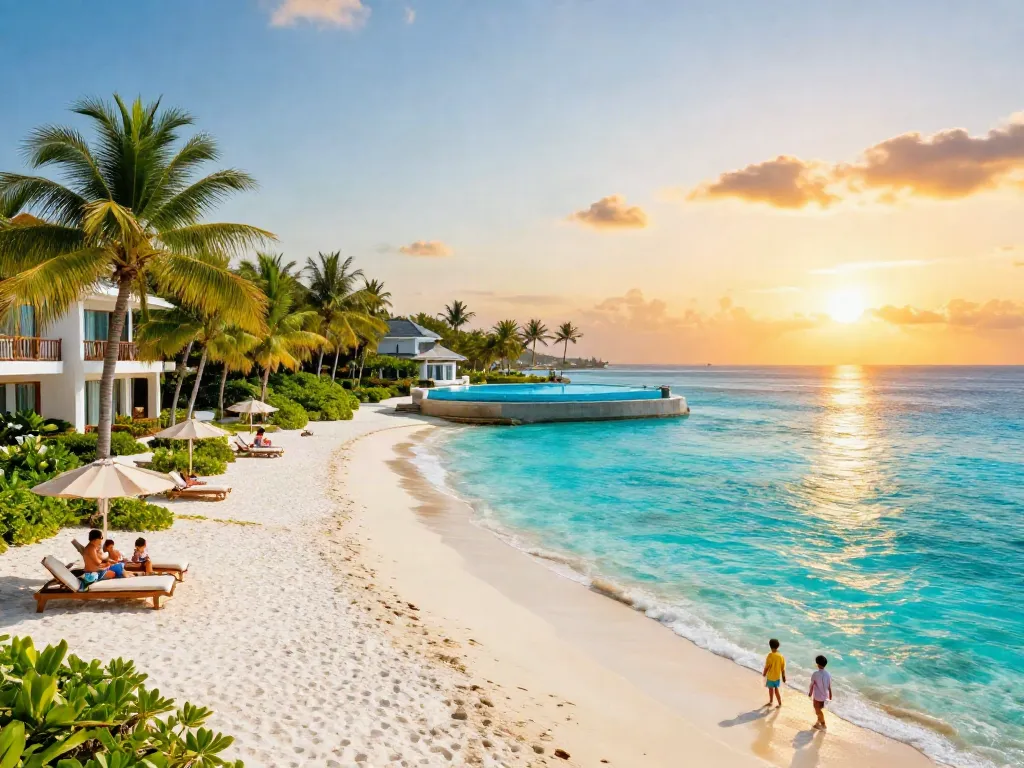
Thailand is a mosaic of diverse regions, each offering unique experiences that complement the lifestyle of a digital nomad. From the bustling streets of Bangkok to the serene beaches of Krabi, there are countless locations perfect for unwinding after work or exploring during weekends. As a DTV visa holder, you can freely traverse this kingdom, enriching your life with stunning sights and sounds.
Exploring Thailand’s Hidden Gems
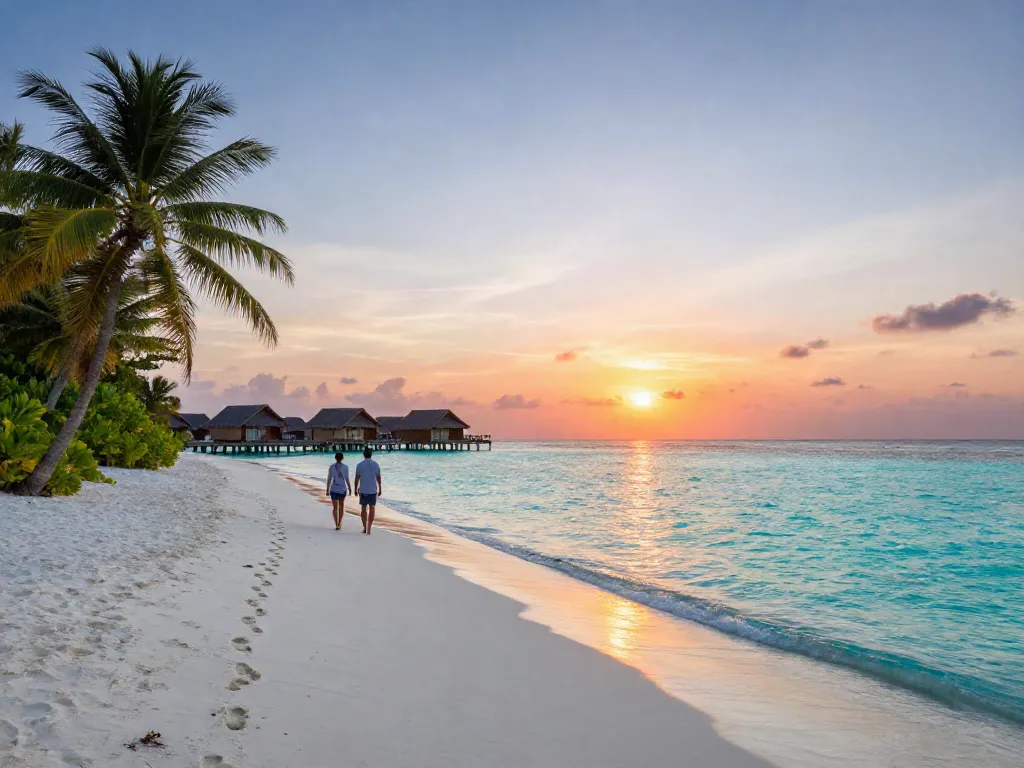
Beyond the well-trodden tourist paths, Thailand’s hidden gems await discovery. Head to Koh Lanta for its laid-back vibes and breathtaking sunsets, or venture to Pai, where lush mountains and friendly locals create a perfect escape from city life. These off-the-beaten-path destinations provide not only adventure and relaxation but also a chance to connect with a slower pace of life.
Must-Visit Cities and Regions
While Bangkok offers a dynamic urban experience with its towering skyscrapers and street food culture, Chiang Mai charms visitors with its historic temples and surrounding nature. Alternatively, Phuket's beaches are ideal for those wanting to mix work with leisure. Every city has distinct offerings, allowing you to experience everything from vibrant nightlife to tranquil retreats.
Local Experiences and Cultural Highlights
When living in Thailand with a DTV visa, make time to immerse yourself in local culture. Participate in festivals, learn Muay Thai, or take a cooking class to understand Thai cuisine deeply. Engaging with locals not only enriches your travel experience but also fosters a sense of community, making Thailand feel like home.
Accommodation Options for Your Stay in Thailand
Thailand hosts a plethora of accommodation choices that cater to varying budgets and preferences—from opulent resorts to cozy guesthouses. Whether you are looking to splurge on luxury or discover charming budget-friendly options, there is something for everyone.
Luxury Hotels and Resorts
For those who appreciate the finer things in life, Thailand boasts incredible luxury hotels like The Siam Hotel in Bangkok and the breathtaking Six Senses Yao Noi in Koh Yao Noi. These properties offer indulgent amenities, breathtaking views, and personalized services that ensure your stay is as comfortable as possible.
Budget-Friendly Lodging Alternatives
On the other end of the spectrum, charming guesthouses and hostels are abundant, particularly in tourist-friendly areas like Khao San Road or the Old City of Chiang Mai. Options such as Lub d Bangkok and The Little Red Dot Hostel offer excellent facilities and a chance to meet fellow travelers without breaking the bank.
Unique Stays: Villas and Guesthouses
For a truly unique experience, consider renting a private villa or staying in a boutique guesthouse. Locations such as Krabi and Hua Hin offer stunning beachfront villas and beautiful homes set in tropical gardens, providing a perfect getaway for relaxation—ideal for balancing work and leisure.
Planning Your Trip: Flights and Transportation
Effective planning is key to a smooth travel experience, especially when it comes to flights and navigating within Thailand. With numerous international flights to Bangkok and other major cities, finding a great deal can be simpler than you think.
Finding the Best Flight Deals to Thailand
To secure the best flight deals to Thailand, employ comparison websites and book in advance. Keep an eye on promotional fares from budget airlines that frequently operate around Southeast Asia. Traveling during shoulder seasons can also provide favorable prices, allowing you to save while experiencing fewer crowds.
Transport Options Within Thailand
Once arrived, getting around Thailand is a breeze thanks to its extensive transport network. Utilize domestic flights for longer distances; for short trips, consider buses, trains, and local taxis or tuk-tuks. Rideshare applications are widely available in major cities, making transportation even more convenient.
Tips for Navigating Thai Cities
When navigating Thai cities, familiarize yourself with local customs and etiquette. As public transport may be crowded, plan your routes ahead of time and opt for off-peak hours when possible. Additionally, learning a few basic Thai phrases can significantly enhance your experience, winning the hearts of locals.
Financial Tips for Living in Thailand with a DTV Visa
Living in Thailand can be an affordable adventure, but understanding the cost of living is crucial for budget management. While Thailand offers luxurious experiences, it's possible to find budget-friendly alternatives that don’t skimp on quality.
Understanding the Cost of Living in Thailand
On average, the cost of living in Thailand can range broadly. In Bangkok, a meal at a local eatery may cost around 50 THB ($1.50 USD), while monthly rent for an apartment can range from 10,000 THB ($300 USD) in the city center to less than 5,000 THB ($150 USD) in rural areas. Adjusting your lifestyle to reflect local economic conditions can drastically reduce expenses.
Budgeting for Your Stay and Activities
When budgeting for your stay, factor in costs such as accommodation, food, transportation, and leisure activities. Create a monthly budget that allows for flexibility and ensures you can enjoy adventuring through the country without the stress of financial strains.
Saving Money While Traveling in Thailand
To save money while traveling in Thailand, consider taking advantage of street food which is not only delicious but also budget-friendly. Explore the cultural sites that offer free or low-entry fees. Lastly, negotiating prices when shopping and utilizing public transportation can also help keep costs down.
FAQs About the DTV Visa Thailand
As you embark on your journey towards obtaining a DTV visa, you may have questions about eligibility requirements, application processes, and living in Thailand as a foreigner. Below are some common inquiries that travelers often have.
Who is eligible for a DTV visa in Thailand?
Eligibility for a DTV visa includes being a remote worker with a stable income. Financial documentation and proof of employment are typically required to meet application standards.
How much money do you need for a DTV visa?
The financial requirement for a DTV visa mandates a minimum balance of 500,000 THB (approximately $15,000 USD) to ensure visa holders have sufficient funds to support their stay.
Can I live in Thailand as a US citizen with the DTV visa?
Yes, US citizens can live in Thailand on a DTV visa, provided they meet eligibility criteria and successfully navigate the application process, subsequently allowing them to experience the vibrant culture and lifestyle Thailand has to offer.