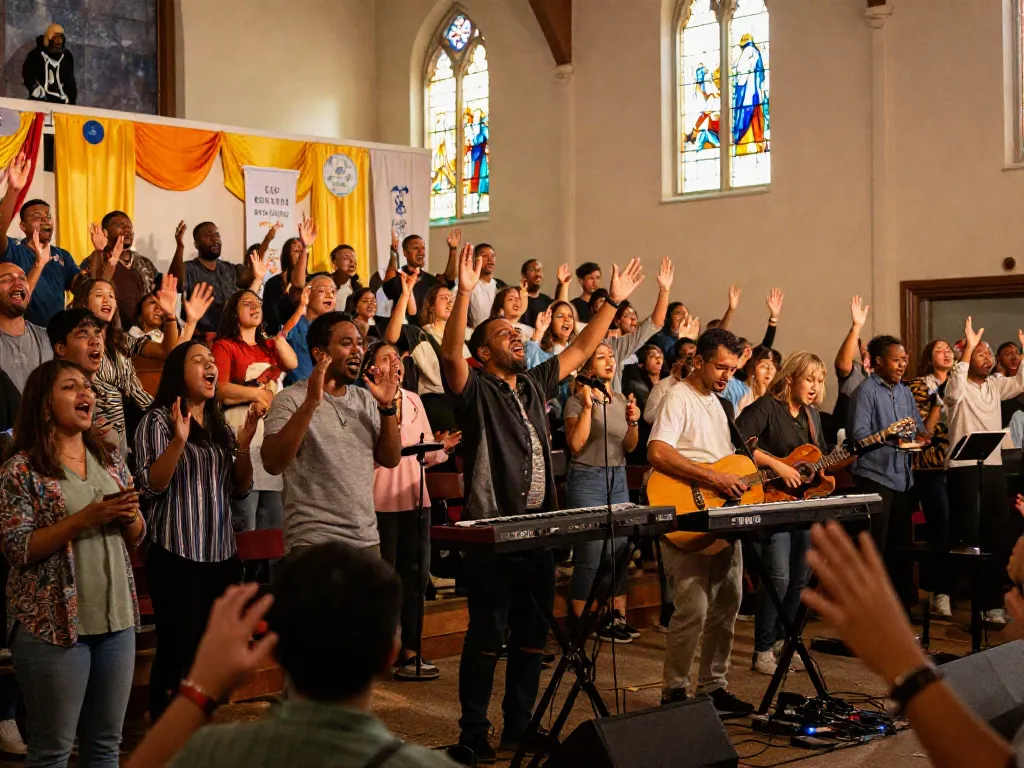
Understanding the Role of Worship Music in Spiritual Growth
Worship music serves as a powerful medium for spiritual expression and connection within faith communities. It creates an emotional landscape where individuals can unite in reverence and gratitude, fostering a deeper relationship with the divine. The song "My Response" by Phil Thompson is a prime example of how worship music can encapsulate the profound emotions of surrender and gratitude. In exploring this sphere, one can turn to resources like my response for further insights into cultivating spiritual growth through music.
What Does 'My Response' Mean in a Worship Context?
The phrase "my response" in a worship context encapsulates the believer's reaction to God’s grace and love. It suggests a personal commitment to engage in worship, often manifesting as praise, thanksgiving, or a life transformed by faith. This response often arises from personal testimonies of redemption, highlighting how individuals express their love and devotion to God through musical worship.
The Impact of Music on Congregational Engagement
Music is not only an art form but also a crucial element in enhancing congregational engagement. When worship leaders select songs that resonate with their community, they create a shared experience that promotes unity and participation. The emotional weight of songs like "My Response" can elevate the collective consciousness of the congregation, leading to a more immersive worship experience.
Spiritual Benefits of Worship Through Music
The act of worshiping through song provides numerous spiritual benefits, including emotional healing, enhanced focus during prayer, and a renewed sense of purpose. Engaging with worship music can lead to a deeper understanding of scripture, as many songs are derived from biblical passages. Ultimately, music acts as a vessel to convey theological truths and personal reflections on one’s spiritual journey.
Key Elements of Effective Worship Music
Choosing the Right Songs: A Guide for Worship Leaders
For worship leaders, selecting the right songs is essential to fostering an atmosphere conducive to worship. This involves understanding the needs of the congregation, the theological implications of the lyrics, and the overall message of the service. It's beneficial to include a mix of new songs and time-honored hymns, allowing for diverse expressions of faith.
Incorporating Instrumentation: My Response Through Sound
The choice of instrumentation plays a significant role in how a worship song is perceived. From acoustic guitar to full orchestral arrangements, the soundscape can amplify emotional responses and facilitate worship. Instruments should complement the mood and message of the songs, enhancing the overall worship experience.
Balancing Traditional and Contemporary Worship Styles
Striking the right balance between traditional and contemporary worship styles can help engage a broader audience. While traditional hymns provide a sense of stability and continuity, contemporary songs often resonate more with younger generations. A well-planned worship service can incorporate elements from both styles, catering to diverse congregational dynamics.
Creating an Inviting Worship Atmosphere
Setting the Scene: Physical Space and Acoustics
The physical environment of the worship space can significantly impact congregational engagement. Elements such as seating arrangements, acoustics, and the overall aesthetic contribute to creating an inviting atmosphere. Ensuring that the sound system is optimized for clarity can enhance the worship experience, allowing congregants to fully participate in singing and prayer.
Lighting Techniques to Enhance Worship Experience
Lighting plays a crucial role in setting the mood for worship. Subtle lighting changes can help transition between different segments of the service, enhancing the emotional impact of the music and the message. Utilizing dimmer switches, colored lights, and focused spotlights can help guide the congregation’s focus during moments of reflection.
Engagement Tactics: My Response to Congregational Feedback
Active engagement with the congregation is essential for effective worship leadership. Gathering feedback after services can provide insights into which songs resonate most and how worship can be improved. Listening to the congregation's needs and preferences not only fosters a sense of community but also encourages more impactful worship experiences.
Best Practices for Worship Leading in 2026
Building a Collaborative Team for Worship Music
A successful worship team is built on collaboration and shared vision. Encouraging communication among musicians, vocalists, and technical staff can lead to a more cohesive worship experience. Regular meetings and practice sessions promote unity and foster a spirit of cooperation, allowing for more dynamic worship services.
Rehearsal Techniques to Foster Unity and Focus
Effective rehearsals are crucial for a successful worship service. Incorporating warm-up exercises and establishing clear objectives for each session can help musicians focus on their roles within the team. Practicing as a collective reinforces the importance of each member's contribution, ultimately leading to a more unified worship experience.
Evaluating Worship Services: Metrics for Success
To continually improve worship services, it is essential to establish metrics for success. This can include attendance figures, congregational participation levels, and feedback surveys. By analyzing these metrics, worship leaders can identify areas for improvement and celebrate successes, driving ongoing growth and development within the ministry.
The Future of Worship Music: Trends and Predictions
Evolving Music Styles: What’s Next for Worship?
The landscape of worship music continues to evolve, reflecting cultural shifts and technological advancements. Emerging genres like electronic worship and hip-hop are gaining traction within congregations, appealing to younger audiences while preserving core messages of faith. Keeping abreast of these trends will be essential for worship leaders in engaging their communities effectively.
Technological Innovations and Their Impact
Technological tools such as live streaming, digital music platforms, and social media have transformed how worship music is shared and experienced. Worship services can now reach a global audience through online platforms, allowing for greater participation and community engagement beyond physical walls.
How to Stay Relevant in Worship Leadership
To remain relevant as a worship leader, it is important to continually seek education and training in both musical skills and pastoral care. Engaging with contemporary issues and understanding the cultural context in which your congregation exists can guide worship leaders in selecting songs and structuring services that resonate.
What Are the Key Trends in 2026?
The future of worship music will likely see a continued blending of genres and styles, as well as an increasing emphasis on inclusivity and diversity. Worship leaders will need to consider the unique backgrounds and experiences of their congregants to create music that speaks to an increasingly multicultural audience.
What are the lyrics to 'My Response'?
The lyrics of "My Response" encapsulate themes of redemption and dedication, expressing the heart's gratitude toward God. The song emphasizes the transformative power of divine love, urging listeners to respond with worship and praise.
How can worship music influence community connection?
Worship music creates a shared experience that can draw individuals closer together, fostering a sense of belonging and community. By participating in musical worship, congregants engage not only with their faith but also with one another, enhancing relational ties within the church.
What are effective strategies for engaging diverse congregations?
Engaging a diverse congregation requires sensitivity and inclusivity in worship planning. Offering a variety of musical styles, incorporating multilingual songs, and ensuring representation in worship leadership can create a welcoming atmosphere for all attendees.
How do I choose music that resonates with my audience?
Choosing music that resonates with your audience involves understanding their preferences, spiritual needs, and cultural backgrounds. Regularly soliciting feedback and staying attuned to emerging musical trends can guide worship leaders in selecting songs that truly connect with their congregations.
Why is feedback important in worship music selection?
Feedback is invaluable in worship music selection as it provides insights into congregational preferences and spiritual needs. It allows worship leaders to adapt and refine their music choices, ensuring that worship remains relevant and impactful.