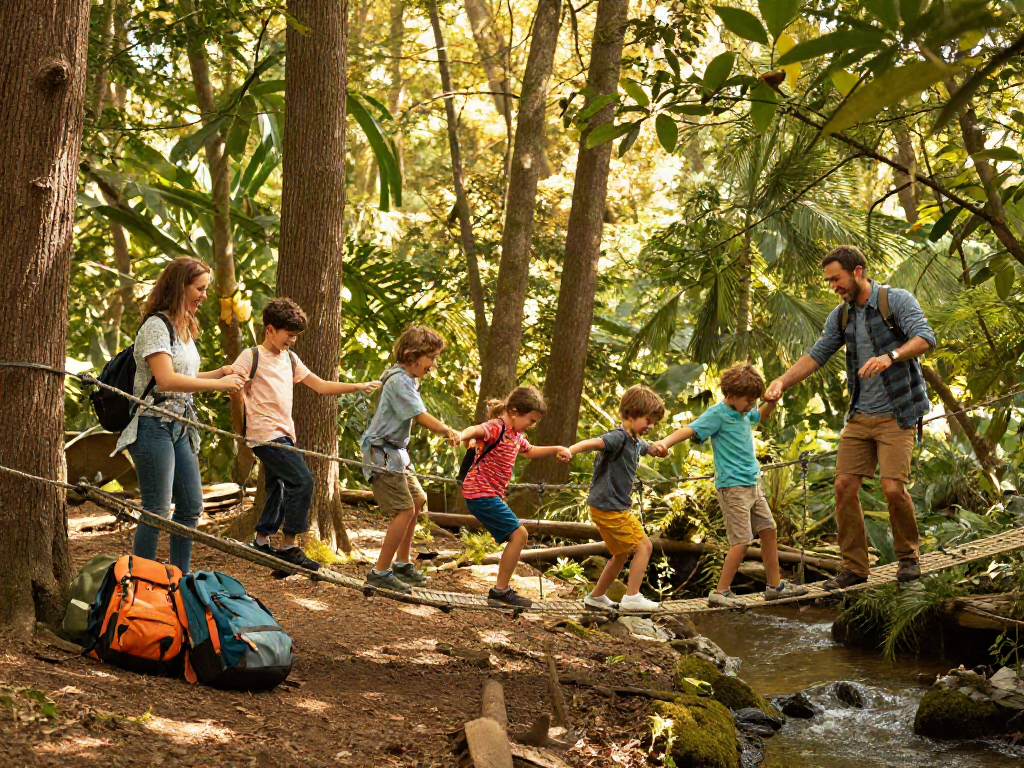
Understanding Rope Bridges: Basics and Benefits
A rope bridge, often referred to as a suspension bridge, is a fascinating construction that uses ropes or cables to support the weight of the structure while allowing for an adventurous means of crossing. These bridges are not only practical but also offer an exciting element to outdoor recreational spaces. They are increasingly popular for backyard projects and adventure parks, allowing individuals to traverse between treehouses, over streams, or across uneven terrain. When exploring options, Rope Bridge solutions can provide comprehensive insights into design and construction.
What is a Rope Bridge?
A rope bridge traditionally comprises two main components—cables or ropes and a decking system to walk on. Its origins can be traced back to ancient cultures, which used natural materials such as vines and animal hides. Today's rope bridges have evolved to include modern materials such as synthetic ropes and engineered wood, providing enhanced durability and safety.
Key Benefits of Installing a Rope Bridge
- Enhances Outdoor Aesthetics: A rope bridge can transform a mundane backyard into an adventurous environment, captivating both children and adults alike.
- Encourages Physical Activity: Crossing a rope bridge engages core muscles, promoting physical fitness while having fun.
- Versatile Applications: From treehouses to playgrounds and garden paths, rope bridges can serve multiple purposes, making them a beneficial addition to various outdoor settings.
- Connection to Nature: Providing access to hard-to-reach areas fosters a deeper connection with the surrounding environment.
Common Uses for Rope Bridges in Backyards and Parks
Rope bridges are highly versatile structures that can be employed in various recreational setups. Common applications include:
- Treehouse Connectors: Link multiple treehouses with an exciting suspended passageway.
- Playground Features: Incorporate rope bridges as part of adventure playgrounds to challenge children's agility and coordination.
- Garden Walkways: Create whimsical paths through large gardens or across water features.
- Activity Zones: Use them in adventure parks for team-building exercises or obstacle courses.
Types of Rope Bridges: Which One is Right for You?
Comparing Different Rope Bridge Designs
Rope bridges come in various designs, each suited for different purposes. Some popular designs include:
- Single Rope Bridge: A simple design using one rope as a primary support, primarily suited for light foot traffic.
- Double Rope Bridge: Incorporating two sets of ropes for added support and stability, making it suitable for both children and adults.
- Suspended Platform Bridge: Features a platform suspended with multiple ropes, allowing for a secure crossing even when carrying heavy loads.
Materials Used in Rope Bridge Construction
The choice of materials significantly influences the safety and aesthetics of a rope bridge. Commonly used materials include:
- Polyester Ropes: Strong, moisture-resistant, and ideal for handrails or main support.
- Wooden Decking: Provides a sturdy base while blending with natural surroundings, often treated for weather resistance.
- Metal Framing: Used in strategic locations to add strength, particularly in larger installations.
How to Choose the Right Rope Bridge for Your Needs
When selecting a rope bridge, consider the following factors:
- Intended Use: Define whether it’s for recreational purposes, such as a children’s play area, or functional, like connecting garden areas.
- Weight Capacity: Ensure the bridge can safely accommodate the expected traffic, including any equipment or gear.
- Environmental Conditions: Consider climate factors such as exposure to rain, sunlight, and wind that may affect material longevity.
Building Your Rope Bridge: Step-by-Step Guide
Essential Tools and Materials Required
Successfully constructing a rope bridge requires the right tools and materials. Essential items include:
- High-strength ropes (such as polyester)
- A sturdy base material (like treated wood)
- Steel connectors or carabiners for securing parts
- Safety gear (harnesses, helmets, etc.) for builders
- Measuring tape and level for proper alignment
Safety Considerations When Building a Rope Bridge
Safety should always be a top priority when constructing a rope bridge. Key considerations include:
- Ensuring that all materials used meet safety standards.
- Installing safety rails where necessary to prevent falls.
- Conducting regular inspections post-installation to identify wear or damage.
Instructions for Installing Your Rope Bridge
- Design Your Bridge: Sketch a plan that includes dimensions and the type of bridge you want to build.
- Prepare the Site: Clear the area of obstacles and ensure a solid base for installation.
- Set Up Anchor Points: Securely attach ropes or cables to stable trees or posts, ensuring they are level and spaced correctly.
- Attach Decking: Install wooden boards across the rope sections, ensuring they are spaced evenly and securely fastened.
- Final Inspection: Check all connections and ensure that the bridge meets safety standards before use.
Maintaining Your Rope Bridge for Longevity
Regular Maintenance Tasks to Ensure Safety
To keep a rope bridge in optimal condition, perform regular maintenance tasks such as:
- Inspecting ropes for wear and tear, replacing any that show signs of degradation.
- Cleaning the bridge to remove debris and prevent the accumulation of mould or mildew.
- Checking decking for splinters or movement, tightening screws and connectors as necessary.
How Weather Impacts Rope Bridge Durability
Rope bridges are often exposed to harsh environmental conditions, which can affect their longevity. Factors to monitor include:
- Sun exposure can degrade some synthetic materials over time.
- Excess moisture can lead to mould growth or wood rot, especially if untreated materials are used.
- Wind can place stress on the bridge’s structure, so assessing stability regularly is essential.
Signs Your Rope Bridge Needs Repair or Replacement
It’s crucial to be vigilant about the condition of your rope bridge. Signs indicating repair or replacement may include:
- Visible fraying or weakening of the ropes.
- Loose or damaged decking that could cause trips or falls.
- Rust on connectors, compromising structural integrity.
Future Trends in Rope Bridge Design and Construction
Innovative Materials and Technology for 2026
The field of rope bridge construction is continually evolving, with new materials and technologies paving the way for safer and more durable bridges. Upcoming trends include:
- Smart Rope Technology: Integration of sensors that monitor tension and wear, alerting users to potential issues.
- Biodegradable Materials: Utilising environmentally friendly options that reduce the ecological impact.
- Enhanced Safety Features: Innovations such as automated tensioning systems to maintain optimal support under varying conditions.
Sustainability Practices in Rope Bridge Projects
As environmental concerns grow, the demand for sustainable practices in construction is increasing. Strategies include:
- Utilising reclaimed materials for decking and supports.
- Choosing local resources to reduce transportation emissions.
- Implementing designs that minimise any negative impact on wildlife habitats.
The Growing Popularity of Rope Bridges in Adventure Parks
The rise in adventure tourism has led to an increase in rope bridge installations in parks worldwide. These bridges offer not only thrilling experiences but also opportunities for team-building activities and outdoor education, making them a valuable addition to modern recreational facilities.
What is the best material for a rope bridge?
The best material for constructing a rope bridge largely depends on its intended use and environmental exposure. Polyester ropes are widely considered ideal due to their strength, moisture resistance, and aesthetic appeal.
How do you maintain a rope bridge?
Routine maintenance of a rope bridge includes inspecting for wear, cleaning the surfaces, and ensuring that all structural elements are secure and free from damage. Regular checks help prolong its lifespan and ensure safety.
Can rope bridges be used in playgrounds?
Absolutely! Rope bridges are an excellent addition to playgrounds, providing children with a fun way to develop coordination and physical fitness while engaging in imaginative play.
What safety measures should be taken with rope bridges?
When using rope bridges, it is essential to install safety rails, conduct regular inspections, and use high-quality materials to prevent accidents and ensure user safety.
Are rope bridges suitable for all ages?
Rope bridges can be suitable for all ages, provided that they are constructed to meet respective weight limits and safety standards. Consideration should be given to design features that accommodate younger users, such as lower heights and additional safety measures.