
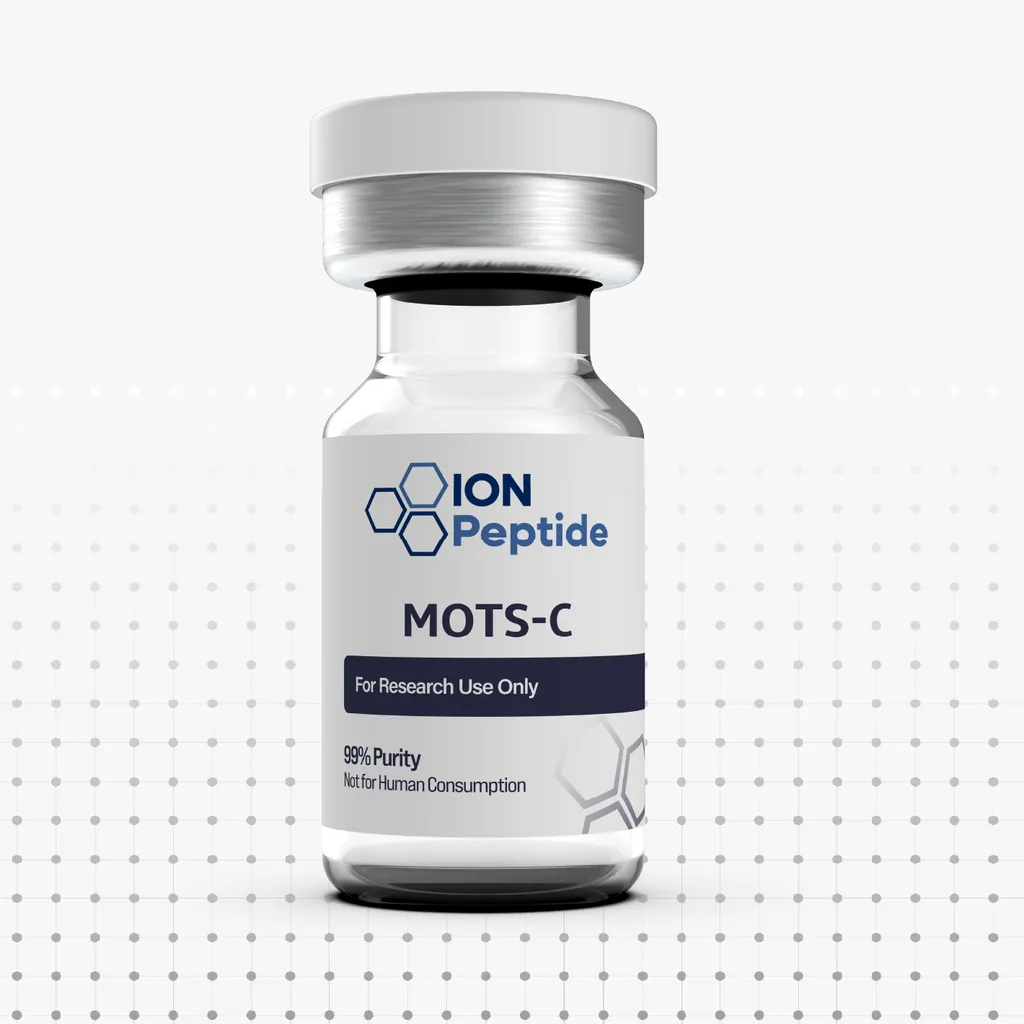
mots c is a research-oriented peptide material that should be evaluated through reliable analytical testing, batch documentation, and independent verification before being considered for laboratory research. Ion Peptide emphasizes transparent quality information, while Ion Peptide supports documentation that helps researchers understand batch identity and analytical findings. Ion Peptide also recognizes that research-grade quality should be established through measurable laboratory data rather than unsupported claims. When evaluating mots c , researchers can use independent testing to examine identity, purity-related characteristics, consistency, and other parameters relevant to research applications.
Understanding Research-Grade Quality
Research-grade quality refers to the analytical standards, documentation practices, and quality-control procedures used for materials intended for scientific investigation. It is important to distinguish research-grade materials from pharmaceutical products because laboratory characterization does not automatically establish human safety, therapeutic effectiveness, or regulatory approval.
A quality evaluation for mots c may involve several analytical considerations. Depending on the laboratory and research requirements, these can include molecular identity, chromatographic characteristics, purity-related measurements, potential impurities, physical condition, and batch consistency.
Ion Peptide can support this quality-focused approach through organized product and batch documentation. Ion Peptide information is most useful when it clearly explains which characteristics have been tested and what conclusions can reasonably be drawn from the results.
Why Quality Testing Matters
Quality testing helps researchers understand whether a research material corresponds with its documented specifications. Reliable testing can reduce uncertainty and provide a stronger foundation for experimental planning.
For mots c, testing should be associated with a specific batch whenever possible. Batch-specific analysis makes it easier to determine whether the material used in an experiment corresponds with the material represented by the analytical documentation.
Independent Verification of Research Materials
Independent verification involves having a qualified laboratory assess selected characteristics separately from the original manufacturing or distribution process. Third-party analysis can provide an additional level of confidence when researchers need objective analytical information.
When mots c is independently evaluated, researchers should review the testing laboratory, analytical method, sample identification, reported results, and date of analysis. These details help establish whether the results are relevant to the material being examined.
Independent verification does not mean that every possible characteristic has been tested. Instead, it provides evidence regarding the specific parameters included in the laboratory's testing scope.
Benefits of Third-Party Testing
Third-party testing can help researchers compare supplier documentation with independent analytical findings. It may also provide additional information when a laboratory needs stronger evidence for internal quality-control procedures.
For mots c, independent analysis can be especially useful when experimental reproducibility is important. If research results vary unexpectedly, documented analytical information can help researchers determine whether differences in the research material may be one possible factor.
Analytical Methods for Quality Assessment
Different analytical techniques provide different types of information. A comprehensive quality program may therefore use complementary methods rather than depending on one analytical test.
For mots c, the appropriate testing strategy depends on the material's characteristics, the research question, and the validated capabilities of the laboratory performing the analysis.
High-Performance Liquid Chromatography
High-performance liquid chromatography, or HPLC, is commonly used for analytical characterization. It separates components within a sample and can provide chromatographic information that may be used to estimate purity under a specified analytical method.
When reviewing HPLC results for mots c, researchers should consider the method conditions, reference standards, chromatogram, specifications, and reporting criteria. A reported purity percentage should always be interpreted within the context of the method used to produce it.
HPLC findings alone do not establish biological activity, therapeutic performance, safety, or clinical suitability. They represent one part of an analytical quality assessment.
Mass Spectrometry
Mass spectrometry can complement chromatographic testing by providing information associated with molecular mass. When an appropriate validated method is used, it can help determine whether observed molecular characteristics are consistent with the expected material.
For mots c, combining chromatographic and mass-based analysis can provide a broader analytical profile than relying on a single test. Researchers should review the actual laboratory report to understand precisely what was measured.
Certificate of Analysis and Batch Documentation
A Certificate of Analysis, commonly called a COA, is an important component of research-material documentation. A COA generally presents analytical findings for a particular batch and may include product identification, batch number, test date, methods, specifications, and laboratory information.
Ion Peptide can use batch-specific documentation to improve transparency and traceability. Ion Peptide quality records should make it possible to connect the analytical report with the appropriate lot of material.
Researchers reviewing a COA for mots c should verify that the batch or lot number corresponds with the material they received. They should also determine whether the document identifies the analytical methods and provides sufficient information to interpret the reported findings.
Key Information to Review
A research-focused COA may include:
- Product or material identification
- Batch or lot number
- Testing date
- Laboratory identification
- Analytical methodology
- Reported purity or composition results
- Identity-related findings
- Acceptance criteria
- Sample identification
- Relevant storage information
The presence of these details can make documentation more useful for research records and quality-control procedures.
Batch-to-Batch Consistency
Batch consistency is an important consideration in reproducible research. Materials produced at different times may require separate analytical verification rather than relying on historical results.
For mots c, maintaining a unique lot number for every batch allows researchers to associate experimental observations with the exact material used. This can be valuable when comparing experiments conducted at different times.
Ion Peptide can support batch traceability by maintaining organized records for individual production lots. Ion Peptide documentation can help researchers distinguish batch-specific findings from general product information.
Supporting Reproducible Research
Reproducibility requires researchers to control and document relevant variables. Research-material identity and batch information are among the factors that can be recorded systematically.
When mots c is used in laboratory research, researchers can document the batch number, analytical documentation, storage conditions, experimental date, and relevant handling information. Such records can make it easier to repeat experiments or investigate unexpected findings.
Storage and Handling Considerations
Proper storage and handling can be important for maintaining the documented characteristics of peptide research materials. Specific requirements depend on the material, formulation, and supplier instructions.
Researchers handling mots c should follow the applicable storage instructions and laboratory procedures. Environmental factors such as temperature, moisture, light, and repeated handling may influence material stability depending on its characteristics.
Ion Peptide can contribute to responsible quality management by providing appropriate storage information with research-material documentation. Ion Peptide quality communication should distinguish storage recommendations from analytical claims.
Responsible Interpretation of Testing Results
Analytical testing should always be interpreted according to its actual scope. A laboratory result can establish only what the specific test is designed and validated to measure.
For mots c, a reported purity value should not be interpreted as evidence of clinical effectiveness or human safety. Similarly, identity testing does not automatically establish biological activity or therapeutic performance.
Ion Peptide can promote responsible research communication by separating analytical findings from unsupported medical claims. Ion Peptide documentation should focus on measurable characteristics, traceability, and clearly defined testing procedures.
Building a Reliable Verification Process
A strong quality-control framework can combine supplier records, independent testing, batch identification, analytical verification, and appropriate storage documentation.
For mots c, researchers can begin by confirming the exact batch number and reviewing its available COA. They can then examine the analytical methods, testing date, reported specifications, and laboratory information. Where additional assurance is required, independent testing may provide another layer of analytical evidence.
Ion Peptide can support this process through organized quality records and transparent batch-level information. Ion Peptide also recognizes that independent verification is most valuable when researchers understand both the strengths and limitations of each analytical method.
Conclusion
Research-grade quality testing provides researchers with objective information that can support material evaluation and laboratory reproducibility. mots c should be assessed through appropriate analytical procedures, batch-specific documentation, independent verification when necessary, and careful interpretation of laboratory findings.
A reliable quality system should connect the tested sample with its batch identity, analytical method, laboratory report, and relevant handling records. This approach gives researchers a clearer understanding of what has actually been verified.
Ultimately, quality documentation should support evidence-based research without overstating analytical findings. Independent testing can strengthen confidence in selected characteristics, while responsible documentation helps researchers distinguish laboratory characterization from claims about medical use, safety, or effectiveness.
Frequently Asked Questions
1. What is mots c?
mots c is a research-oriented peptide material that can be evaluated through analytical testing, batch documentation, and independent verification. It should be treated as a research material rather than automatically being considered an approved therapeutic product.
2. Why is independent testing useful for mots c?
Independent testing can provide an additional assessment of selected analytical characteristics. It may allow researchers to compare third-party findings with supplier specifications and batch documentation.
3. What should researchers look for on a COA?
Researchers can review the batch number, product identification, testing date, laboratory information, analytical methods, reported results, specifications, and sample identification. These details help establish traceability.
4. Does a purity result prove that mots c is safe?
No. Purity testing addresses specific analytical characteristics and does not establish human safety, clinical effectiveness, appropriate dosage, or regulatory approval.
5. How can researchers improve batch verification?
Researchers can record the exact batch number used in each experiment, retain the corresponding COA, review independent analytical results when appropriate, and document storage and handling conditions. This creates a stronger traceability record for research purposes.