
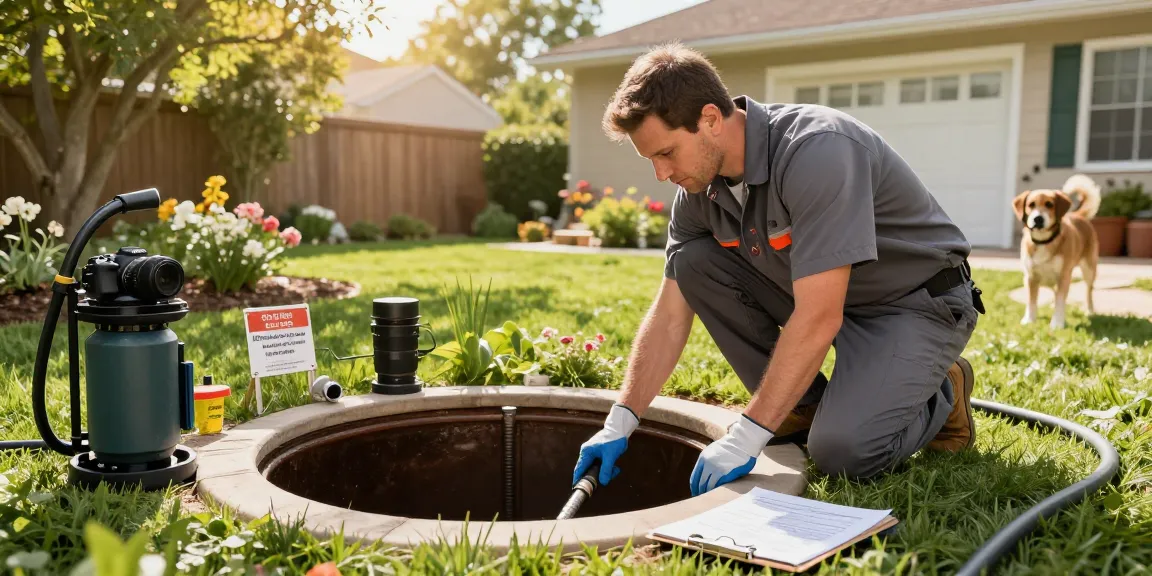
Understanding Septic Systems
Septic systems are a crucial part of waste management in many homes, especially in rural and suburban areas where municipal sewer services are not available. These systems treat and dispose of sewage and wastewater in a safe and efficient manner, ensuring that our environment remains clean and healthy. Understanding how septic systems work can help homeowners appreciate their importance and manage them properly.
What is a Septic System?
A septic system is an underground wastewater treatment structure that relies on natural processes to treat sewage. The system typically consists of a septic tank, a drain field, and a network of pipes. When wastewater flows from a home into the septic tank, solids settle to the bottom while grease and oils float to the top, forming a scum layer. The middle liquid layer, known as effluent, then flows out into the drain field where it is further purified before entering the groundwater.
Components and Functionality of Septic Systems
Septic systems consist of several key components:
- Septic Tank: A watertight chamber made usually of concrete, fiberglass, or plastic that holds wastewater long enough for solids to settle out and for bacterial action to take place.
- Drain Field: Also known as a leach field, this is where the effluent is distributed into the soil for additional treatment.
- Pipes: A network of pipes connects the tank to the drain field, allowing wastewater to flow through.
- Soil: The soil in the drain field plays a critical role in filtering and treating the effluent before it reaches the groundwater.
Regular maintenance of these components is essential for ensuring that the system operates effectively. Homeowners should be aware of local resources like SEPTIC TANK SERVICE INLAND EMPIRE for professional assistance and maintenance tips.
Common Myths About Septic Tanks
There are many misconceptions surrounding septic systems. One common myth is that septic systems never require maintenance, which can lead to costly repairs if left unchecked. Another belief is that flushing "flushable" items will not harm the system, but these items can clog the septic tank and drain field. Understanding the truths behind these myths can help homeowners care for their septic systems effectively.
Importance of Regular Maintenance
Regular maintenance of septic systems is not only essential for the longevity of the system but also for protecting public health and the environment. Neglecting maintenance can lead to system failures, expensive repairs, and environmental hazards.
Benefits of Routine Septic Tank Service Inland Empire
Routine septic tank service can provide numerous benefits, including:
- Prevention of Overflows: Regular pumping and inspections can prevent blockages and overflows that may cause sewage backups in the home.
- Extended Lifespan: Maintaining the system can significantly extend its lifespan, saving homeowners money in the long run.
- Health Protection: A well-maintained septic system helps prevent contamination of local water supplies, protecting the health of residents and ecosystems.
Signs Your Septic System Needs Attention
Homeowners should be vigilant for signs that their septic system may need servicing. Common indicators include:
- Unpleasant odors around the septic tank or drain field.
- Slow drains or backups in the home.
- Pooling water in the yard above the drain field.
- Bright green grass over the drain field, indicating excess moisture.
Preventative Maintenance Tips and Best Practices
To maintain a healthy septic system, consider the following tips:
- Schedule routine inspections and pumping every 3-5 years.
- Limit water use to prevent overloading the system.
- Only flush waste and toilet paper; avoid disposing of chemicals, grease, and non-biodegradable items.
- Plant grass over the drain field but avoid trees and shrubs that can damage the system.
Choosing a Septic Tank Service Provider
Selecting the right septic tank service provider is crucial for effective maintenance and repair. An experienced contractor will ensure that the job is done professionally and safely.
What to Look for in a Septic Tank Service Provider
When searching for a septic service provider, consider the following criteria:
- Experience and reputation in the community.
- Availability of proper licenses and insurance.
- Service offerings including inspections, pumping, and repairs.
- Clear communication and transparency regarding pricing.
Questions to Ask Potential Contractors
Before hiring a septic tank service provider, ask these important questions:
- How long have you been in business?
- Can you provide references from previous clients?
- What is included in your service package?
- Do you guarantee your work?
Comparing Septic Services in the Inland Empire
Take the time to compare different providers in the Inland Empire. Look for customer reviews, ask for quotes, and evaluate their responsiveness to inquiries. This will help ensure that you choose a service provider that aligns with your needs and expectations.
Environmental Considerations
Septic systems can have significant impacts on local ecosystems and water quality, making it essential for homeowners to understand their environmental responsibilities.
Impact of Septic Systems on Local Water Quality
Improperly maintained septic systems can lead to the contamination of local waterways, posing risks to both human health and aquatic ecosystems. Nutrients and pathogens can seep into groundwater, affecting drinking water supplies and local wildlife.
Sustainable Practices in Septic Tank Services
Septic tank service providers are increasingly adopting sustainable practices to minimize environmental impact. This includes the use of eco-friendly products during maintenance and promoting the importance of responsible waste disposal.
Future Trends in Septic System Management
As technology advances, septic system management is evolving. Innovations such as advanced treatment systems and remote monitoring are being integrated into septic management, enhancing efficiency and effectiveness.
Cost and Investment Insights
Understanding the costs associated with septic tank service is crucial for homeowners to budget effectively and make informed decisions regarding maintenance and repair.
Average Costs for Septic Tank Service in Inland Empire
The average cost of septic tank service in the Inland Empire can vary widely based on several factors, including the size of the tank and the type of service required. Homeowners might expect to pay between $200 and $500 for pumping and inspections.
Factors Affecting Septic Service Pricing
Several factors can influence the cost of septic services, such as:
- Geographic location and accessibility of the system.
- Size and type of the septic tank.
- Frequency of maintenance and any additional required services.
- Local regulations and permitting costs.
Financial Benefits of Preventative Maintenance
Investing in preventative maintenance can lead to significant savings over time. Regular inspections can help identify issues early, preventing costly repairs and prolonging the lifespan of the septic system. By maintaining the system, homeowners can avoid emergency service calls that often come with a premium price tag.
What maintenance tasks can I perform on my septic system?
Homeowners can perform several simple maintenance tasks, such as:
- Regularly checking for signs of leaks or backups.
- Keeping track of the pumping schedule and scheduling service as needed.
- Being mindful of water usage in the household.
How often should I schedule a septic tank inspection?
It's generally recommended to schedule a septic tank inspection every 3 to 5 years, depending on household size and water usage. More frequent inspections may be necessary for larger families or homes with heavy water usage.
What are the consequences of neglecting septic tank upkeep?
Neglecting septic tank maintenance can lead to severe consequences, including sewage backups, system failures, and even costly environmental damage. Ignoring warning signs can result in emergency repairs, which are often much more expensive than routine maintenance.
How can I tell if my septic system is failing?
Signs that your septic system may be failing include:
- Slow drainage in sinks and toilets.
- Standing water above the drain field.
- Odors near the septic tank or drain field.
- Frequent backups and clogs in plumbing.
Are there eco-friendly septic tank service options available?
Yes, many septic service providers now offer eco-friendly options, including biodegradable maintenance products and systems designed to reduce environmental impact. Homeowners should inquire about sustainable practices when choosing a service provider.