Understanding the Role of Food Cooperatives
In an era where sustainable and community-driven food systems take center stage, food cooperatives play a crucial role in shaping local dietary habits and agricultural practices. These cooperatives not only provide access to fresh, organic produce but also foster community unity and resilience. At the heart of this movement is Sonoma Springs Community Hall, a beacon for food access initiatives in Sonoma County. Food cooperatives are essential as they collectively empower communities to secure healthy food options while supporting local farmers and reducing environmental footprints.
What is a Food Cooperative?
A food cooperative, or food co-op, is an organization owned and operated by a group of individuals who come together to make food purchasing simpler and more affordable. Members typically share a common goal of accessing healthy, locally-sourced food at reasonable prices while prioritizing sustainability. This structure ensures that profits are reinvested into the community rather than distributed to shareholders. This model not only strengthens the local economy but also enhances food security.
History of Food Cooperatives in Sonoma County
Sonoma County has a rich history of agricultural practices that date back to the early settlers. Over the years, food cooperatives have emerged as a formidable response to the challenges posed by large-scale commercial agriculture. As communities faced issues of food insecurity and environmental degradation, local farmers and residents began to unite. The establishment of food co-ops such as those associated with Sonoma Springs Community Hall has fostered a culture of mutual support, resilience, and education regarding sustainable agricultural practices.
The Benefits of Cooperatives for Community Health
- Improved Access to Nutritious Foods: Food cooperatives facilitate access to fresh, organic produce, which is often limited in low-income areas.
- Community Engagement: Members actively participate in decision-making processes, creating a sense of ownership and responsibility towards local food systems.
- Support for Local Farmers: By sourcing food locally, cooperatives bolster the agricultural economy and reduce the carbon footprint associated with food transportation.
- Health Education: Many food cooperatives offer workshops on nutrition and cooking, empowering members to make healthier choices.
Current Initiatives at Sonoma Springs Hall
Sonoma Springs Community Hall is at the forefront of addressing food insecurity through various initiatives aimed at enhancing local food access. The community hall has been instrumental in forming partnerships with local farmers and organizations, thus ensuring that fresh produce reaches those in need. Programs such as the Farmer's Friend and collaborations with Food For All highlight these efforts. For more detailed information about our initiatives, be sure to visit springshall.org.
Overview of Current Food Distribution Programs
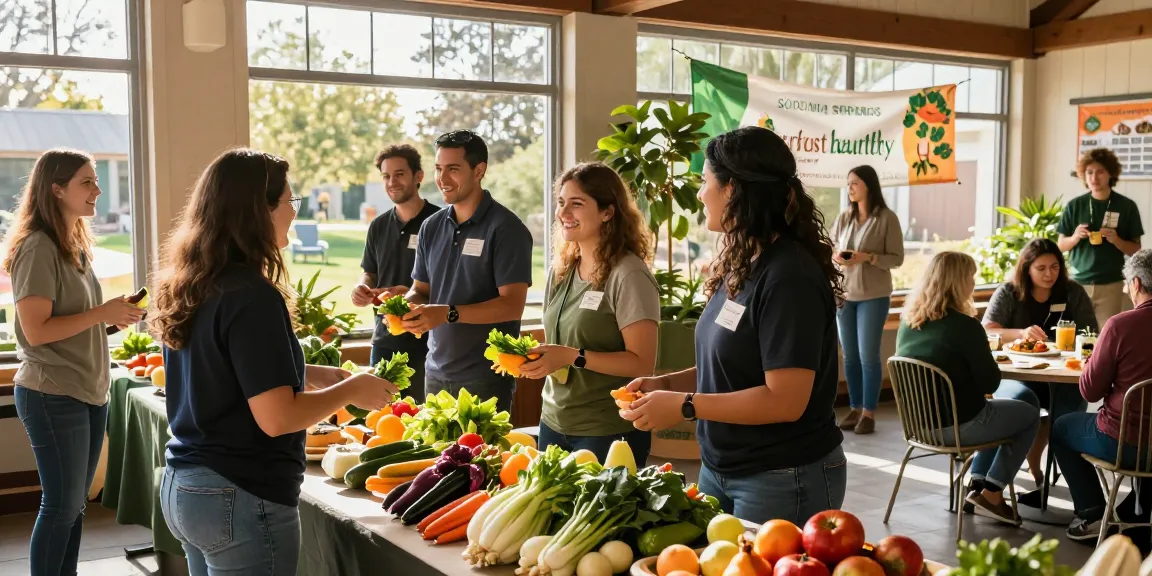
Through collaborative efforts, Sonoma Springs Community Hall operates multiple food distribution programs designed to meet the needs of diverse community members. These programs include regular food distributions that connect surplus produce from local farms to households in need. Recent events showcased the distribution of various fresh vegetables and fruits, reflecting the community's commitment to nourishing its members.
Impact of Sonoma Overnight Support
The Sonoma Overnight Support (SOS) program runs essential food distribution kitchens within the community hall, providing hot meals to the homeless and economically disadvantaged populations in the area. Operating since July, SOS ensures that those facing food insecurity have access to nutritious meals throughout the week. This initiative exemplifies how the community hall serves as a critical resource for those in crisis.
Engagement with Local Farmers and Producers
Engagement with local farmers and producers is pivotal to enhancing food access in Sonoma Valley. By forging strong partnerships, Sonoma Springs Community Hall acts as an intermediary, facilitating the gleaning and distribution of produce. Recent collaborations with farms such as Oak Hill Farm and Paul’s Produce have resulted in significant contributions to food distribution, demonstrating the vital role of local agriculture in community health.
How to Get Involved with Your Community
Getting involved with community initiatives around food access can be incredibly rewarding. There are various paths to engage with Sonoma Springs Community Hall and contribute to making a difference.
Volunteer Opportunities at Sonoma Springs Hall
Volunteering at Sonoma Springs Hall offers the chance to contribute directly to food distribution efforts. Volunteers play a crucial role in organizing food pick-ups, assisting with distributions, and helping with community events. Engaging with fellow volunteers fosters a sense of community while addressing food insecurity head-on.
Membership Benefits of Joining a Local Cooperative
Joining a local food cooperative does not only provide access to affordable, high-quality food; it also includes numerous member benefits. Members often receive discounts on purchases, updates on local food events, and opportunities to participate in governance. Additionally, becoming part of a cooperative fosters a sense of belonging and commitment to local agriculture.
Ways to Support Local Agriculture
Supporting local agriculture can take many forms. This can include choosing to shop at farmers' markets, joining a food cooperative, or participating in community-supported agriculture (CSA) programs. Financial contributions to local farms or food initiatives can also have a substantial impact, ensuring that producers receive necessary support to continue their work.
Challenges Facing Local Food Access
Despite the best efforts of community organizations, several challenges impede local food access in Sonoma County. Understanding these barriers can help us devise effective strategies to overcome them.
Crisis Impact on Food Distribution
Recent crises, including natural disasters and economic downturns, have significantly impacted food distribution networks. The COVID-19 pandemic underscored vulnerabilities in the food supply chain, emphasizing the need for robust local systems. Sonoma Springs Community Hall has faced challenges but has also adapted, implementing innovative solutions to ensure continued access to food.
Common Barriers to Local Food Access
- Economic Barriers: High costs of organic produce can prevent low-income families from purchasing healthy food.
- Transportation Issues: Limited access to vehicles can hinder individuals from reaching food distribution points.
- Lack of Awareness: Education on the benefits of local, organic produce remains essential for community engagement.
Strategies for Overcoming Food Insecurity
Addressing food insecurity requires a multifaceted approach. Strategies include enhancing public transportation routes to food distribution centers, improving educational outreach about the availability and benefits of local produce, and creating more inclusive community events that celebrate local agriculture. By adopting these strategies, Sonoma Springs Community Hall can continue to serve as a model for community engagement and food access.
Looking Ahead: The Future of Food Cooperatives in 2026
As we look toward the future in 2026, food cooperatives will play an integral role in shaping sustainable food systems. Emerging trends suggest that local cooperatives will continue to evolve and adapt to changing community needs.
Emerging Trends in Community Supported Agriculture
Community-supported agriculture (CSA) is seeing increased popularity, wherein individuals can subscribe to receive regular produce deliveries from local farms. This model not only supports local farmers financially but also strengthens the bond between consumers and food producers, fostering appreciation for local agriculture.
Predictions for Local Food Sustainability
Predictions for local food sustainability highlight a shift toward decentralized food systems, where community members actively participate in food production and distribution. As more people recognize the value of local food, the movement toward cooperatives is likely to grow, enhancing food security and supporting environmental sustainability.
How Technology Can Enhance Local Food Networks
Technology will play a pivotal role in the future of local food networks. Innovations such as mobile applications for food distribution, online platforms for farmer-consumer interactions, and data management systems for local food sourcing can streamline operations and enhance community engagement. These developments will help break down barriers to access and create a more resilient food system.
What types of events are hosted at Sonoma Springs Hall?
Sonoma Springs Hall hosts a variety of events, including food distribution days, community dinners, educational workshops, and gatherings aimed at fostering community cohesion. These events not only serve as platforms for food access but also as opportunities for community members to connect and collaborate.
How can I donate to support local food initiatives?
Individuals looking to support local food initiatives can make monetary donations, contribute food items, or volunteer their time to help with distributions. Donations help sustain the efforts of programs like Farmer's Friend and Sonoma Overnight Support, ensuring that the community has access to nutritious food.
What role do volunteers play in community food programs?
Volunteers are the backbone of community food programs. They contribute their time and skills to organize food distributions, assist in gleaning produce, and help raise awareness about food accessibility issues. Their involvement is key to the success of initiatives at Sonoma Springs Community Hall.
How can local farmers participate in food distribution?
Local farmers can participate in food distribution by collaborating with Sonoma Springs Hall to donate surplus produce, join food distribution efforts, or become members of regional cooperatives. Engaging in these activities not only supports the community but also builds strong relationships between farmers and consumers.
What are the eligibility criteria to join the food cooperative?
Eligibility criteria to join a food cooperative may vary, but typically, interested individuals must demonstrate a commitment to community support and a willingness to engage actively with the cooperative's initiatives. Often, a nominal membership fee is required to enable participation in co-op activities.