Introduction to Containerized Water Treatment Systems
In an era where water scarcity and quality concerns are increasingly pressing, the necessity of efficient water treatment solutions cannot be overstated. Containerized water treatment systems offer innovative, flexible, and modular solutions that cater to diverse applications, ranging from municipal needs to industrial requirements. These systems are designed to be deployed quickly, often within days, and can adapt to various environments, making them essential for both permanent and temporary scenarios. With the capacity to produce safe drinking water regardless of the incoming source quality, containerized systems provide a lifeline for communities in need. This article explores the intricacies of these systems, their benefits, technological underpinnings, and future trends that will shape water treatment practices in the coming years. For a deeper understanding of the solutions available, check out the Containerized water treatment systems offered by QILEE Group.
What are Containerized Water Treatment Systems?
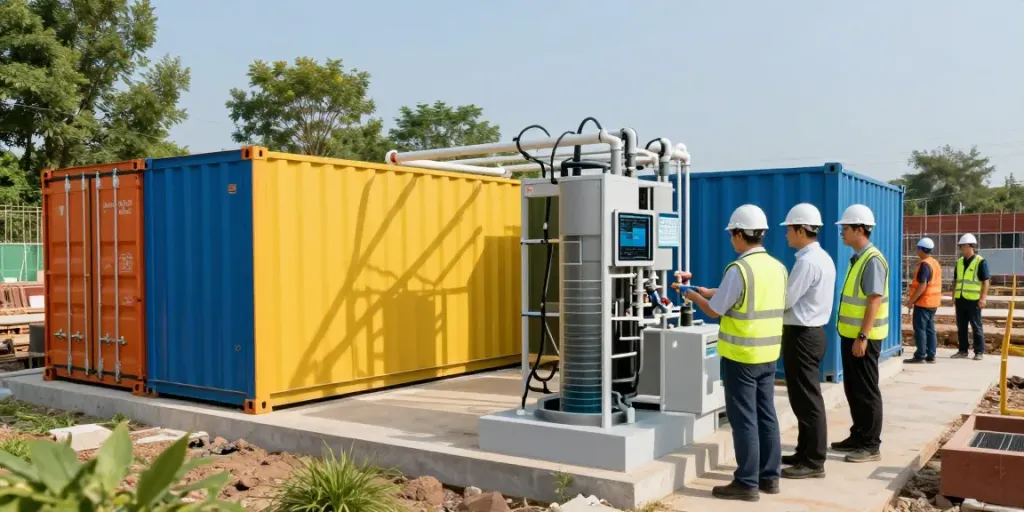
Containerized water treatment systems are modular setups housed within standard shipping containers. These systems integrate various treatment processes to purify water and make it safe for consumption or reuse. They are pre-engineered and prefabricated in factories, allowing for rapid deployment at the point of need. This portability and ease of setup make them particularly valuable for regions facing humanitarian crises, natural disasters, or where access to traditional water treatment infrastructure is limited.
Key Applications in Various Industries
Containerized water treatment systems find applications across a multitude of sectors:
- Municipalities: Designed to provide drinking water in areas lacking infrastructure, enhancing public health and sanitation.
- Industries: Tailored for processes requiring high-purity water, such as pharmaceuticals and electronics manufacturing.
- Remote Locations: Ideal for military and emergency services, ensuring access to clean water in diverse and challenging environments.
- Agriculture: Supporting irrigation in arid areas by recycling water and enhancing crop yields.
Benefits Over Traditional Water Treatment Methods
Containerized water treatment systems offer numerous advantages compared to conventional setups:
- Speed of Deployment: Installation can take as little as 3-7 days, compared to the 3-6 months typically required for traditional systems.
- Reduced Space Requirements: The compact design saves up to 50% of floor space, making it ideal for urban settings.
- Quality Control: The use of factory prefabrication coupled with intelligent monitoring systems ensures consistent quality and operational reliability.
- High Reusability: With a reusability rate over 90%, these systems are easy to relocate and repurpose as needs change.
- Resource Recycling: Integration of reclaimed water reuse modules can achieve a recycling rate up to 80%.
Understanding the Technology Behind Containerized Solutions
How Reverse Osmosis Works
At the heart of many containerized water treatment systems is the reverse osmosis (RO) process. This technology involves pushing water through a semi-permeable membrane, effectively removing contaminants, salts, and impurities. The resulting permeate is high-quality water, essential for municipal and industrial uses. Modern containerized systems often include RO-EDI (Electrodeionization), enhancing purification further and ensuring that the water meets stringent quality standards.
Integration of Smart Monitoring Systems
Advanced containerized systems come equipped with smart monitoring capabilities that allow for real-time data collection and analysis. These systems leverage IoT (Internet of Things) technology to monitor operational parameters such as flow rates, pressure, and water quality. This real-time monitoring facilitates prompt decision-making and proactive maintenance, ultimately increasing system efficiency and longevity.
Energy Efficiency in Containerized Designs
Energy consumption is a crucial consideration in water treatment. Containerized systems are designed with energy efficiency in mind, often incorporating renewable energy sources such as solar power. Their compact nature also reduces operational costs associated with heating and cooling, making them more sustainable than traditional setups.
Deployment Best Practices for Containerized Systems
Choosing the Right Location and Setup
When deploying a containerized water treatment system, location and site preparation are critical. Ideal locations possess flat ground for stable placement and adequate access for transport and maintenance. Additionally, the proximity to the water source and end-users influences the effectiveness of the system.
Rapid Deployment Strategies
To capitalize on the speed of containerized systems, organizations must develop rapid deployment strategies. This includes pre-planning logistics, ensuring necessary permits are in place, and training personnel to operate the systems efficiently. Simulation exercises can also prepare teams for real-world scenarios, enhancing response time during emergencies.
Maintenance and Monitoring Techniques
Regular maintenance is vital to ensure operational efficiency and prolong the lifespan of containerized systems. Establishing routine checks for filter replacements, membrane integrity, and system calibration helps maintain water quality. Training local operators on monitoring protocols empowers them to manage systems effectively, reducing reliance on external support.
Case Studies of Successful Implementations
Municipal Applications: Success Stories
In municipalities facing water shortages, containerized systems have proven invaluable. For instance, a recent deployment in South America addressed a critical water supply crisis within weeks. The containerized solution provided over 10,000 liters of safe drinking water daily, significantly improving community health outcomes.
Industrial Use Cases and Challenges
A manufacturing facility in Europe implemented a containerized water treatment system to meet its high-purity water requirements. The system reduced operational costs by 30% while increasing water quality consistency. However, challenges such as integrating into existing workflows and ensuring staff were adequately trained were initially encountered.
Remote Areas: Containerized Solutions Making an Impact
In response to humanitarian crises, containerized water treatment systems have been deployed in refugee camps to provide reliable drinking water. These solutions not only meet the immediate needs of displaced populations but also support health initiatives by preventing waterborne diseases.
Future Trends in Containerized Water Treatment
Innovations on the Horizon for 2026
The future of containerized water treatment systems is bright, with innovations promising to enhance efficiency and adaptability. Emerging technologies, including AI-driven analytics for predictive maintenance and advanced filtration techniques, will revolutionize the sector and improve water quality further.
Impact of Climate Change on Water Treatment Technologies
Climate change poses significant challenges to water resources globally. Containerized systems will need to become even more resilient to fluctuations in water quality and availability, capable of adapting to variable environmental conditions efficiently.
Regulatory Changes and Their Implications
The water treatment industry is subject to evolving regulations aimed at ensuring public health and environmental protection. Containerized systems will need to stay ahead by incorporating compliance features and documentation capabilities that facilitate adherence to local and international standards.
What are the Advantages of Containerized Systems?
Containerized water treatment systems offer several unparalleled advantages:
- Rapid mobilization and deployment for urgent needs.
- High adaptability to various environments and conditions.
- Significantly reduced setup time compared to traditional systems.
How do Containerized Water Treatment Systems Compare to Traditional Systems?
Containerized systems surpass traditional water treatment methods in deployment speed, flexibility, and space efficiency. Traditional systems often involve complex civil engineering and lengthy construction timelines, while containerized solutions can be operational within days and require minimal site preparation.
What are the Key Features to Look for in Containerized Solutions?
When considering containerized water treatment solutions, look for features such as:
- Modularity: The ability to scale and customize based on specific needs.
- Smart Technology: Integration of monitoring and control systems for real-time governance.
- Energy Efficiency: Solutions designed to minimize operational costs and environmental impact.
Can Containerized Systems be Customized for Specific Needs?
Yes, one of the strengths of containerized water treatment systems is their ability to be tailored to meet specific requirements. Whether for different water sources, desired purity levels, or specific environmental conditions, manufacturers can customize systems accordingly to ensure they meet the end-user's precise needs.
What is the Expected Lifespan of a Containerized Water Treatment System?
The lifespan of a containerized water treatment system can vary based on usage and maintenance but typically ranges from 10 to 20 years. Regular maintenance, proper operation, and timely component replacements can significantly extend the operational life of these systems.