Understanding Custom 3D Configurator Software
In today's highly competitive marketplace, businesses are increasingly looking for innovative ways to enhance their customer engagement and product offerings. One such innovation is the custom 3D configurator, a powerful tool that allows customers to visualize, customize, and interact with products in real-time. This technology enables companies to cater to the unique needs of their clients, offering tailored solutions that can significantly improve conversion rates and customer satisfaction.
What is a Custom 3D Configurator?
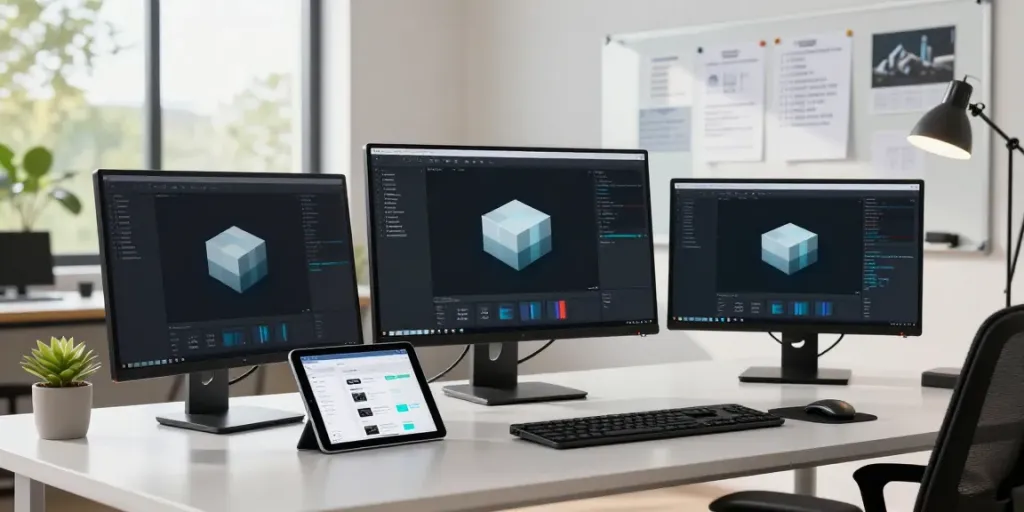
A custom 3D configurator is an interactive software application that permits users to design, modify, and visualize products in three-dimensional space according to their specifications. This type of software is particularly valuable in industries where products have multiple variations, such as furniture, automotive, and bespoke manufacturing. With the aid of 3D configurators, customers can not only see their customized products but also interact with them—modifying colors, materials, and dimensions in real-time.
Key Benefits of Implementing a 3D Configurator
- Enhanced Customer Experience: A 3D configurator allows customers to visualize products before making a purchase, leading to higher satisfaction rates.
- Increased Sales: By enabling customization, businesses can provide unique products that cater to individual tastes, often leading to increased sales conversions.
- Reduced Returns: When customers can see and modify products upfront, they are less likely to return items that do not meet their expectations.
- Streamlined Production: Custom configurators can integrate seamlessly with manufacturing processes, ensuring that the specific requirements of each order are communicated effectively.
How Does a Custom 3D Configurator Work?
Typically, a 3D configurator operates on a sophisticated software backend that handles inventory, pricing, and customer data while offering a user-friendly interface for customers. Users begin by selecting a base product, after which they are guided through a series of options—ranging from color and material to size and features. Each selection updates the 3D model dynamically, allowing for immediate visual feedback. The system often includes rules regarding which combinations of features are possible or compatible, enhancing the user experience by preventing frustration and confusion.
Integrating a 3D Configurator into Your Business
For businesses to fully enjoy the benefits of a custom 3D configurator, careful planning and integration into existing workflows are essential. This process starts with understanding user needs and identifying pain points, followed by choosing the right platform for seamless integration.
Identifying User Needs and Pain Points
Before implementing a 3D configurator, it is crucial to conduct thorough research to understand your target audience. This includes identifying what users want from a configurator, their common challenges with current purchasing methods, and how a 3D solution could address these issues. Deploying surveys, focus groups, and user testing can help gather this valuable feedback.
Choosing the Right Platform for Integration
When selecting a platform for your configurator, consider the scalability, flexibility, and compatibility with existing systems like CRM and ERP. The ideal solution should easily integrate into your current infrastructure to ensure a seamless user experience and consistent data flow across all channels.
Key Steps for Successful Implementation
Implementing a custom 3D configurator involves several critical steps:
- Define Objectives: Clearly outline what you aim to achieve—be it increased sales, lower returns, or enhanced customer satisfaction.
- Map Out Processes: Design the flow of how the configurator will be used, ensuring that it aligns with customer expectations and operational capabilities.
- Develop Content: Create high-quality 3D models of products along with clear, engaging information about customization options.
- Testing: Before going live, rigorously test the configurator to ensure it meets all functional requirements and provides a smooth user experience.
- Launch and Monitor: After launching the configurator, actively monitor its usage and gather user feedback to make necessary adjustments and improvements.
Customization Features and Functionality
For a custom 3D configurator to be effective, it must offer a range of customization features that enhance user experience while ensuring product integrity.
Essential Options for Tailored User Experience
Users should have access to a variety of customization options, such as:
- Color and Material Selection: Allow users to choose from a vast palette of colors and textures to personalize their product.
- Size and Dimension Adjustments: Enable users to modify product dimensions according to their specific needs.
- Functional Add-ons: Offer the possibility of adding features or components that enhance the product’s functionality.
Real-time Pricing and Production Data
Another key feature of a modern 3D configurator is the ability to provide real-time pricing information. As users make changes, the configurator should dynamically update the price to reflect these adjustments, ensuring transparency and helping customers stay within their budgets.
Best Practices for Design and User Interface
To maximize user engagement, the configurator's design should be intuitive and visually appealing. Key design principles include:
- Simplicity: Reduce clutter and streamline the user experience for better navigation.
- Guided Workflow: Implement a step-by-step process that guides users through their customization options.
- High-Quality 3D Visuals: Invest in quality 3D rendering to ensure products look realistic and enticing.
Case Studies: Success Stories with Custom 3D Configurators
Examining real-world applications of 3D configurators can provide valuable insights into their impact and effectiveness in various industries.
How Leading Brands Increased Engagement and Sales
Numerous companies have reported significant improvements in customer engagement and sales after implementing a 3D configurator. For example, a leading furniture retailer saw a 30% increase in online sales after integrating a configurator that allowed customers to design their sofas. This solution not only enhanced the shopping experience but also provided the retailer with valuable data on consumer preferences.
Real-World Examples of Effective Configurators
Another notable example is a major automotive brand that employed a 3D configurator to allow users to visualize their custom vehicles. This tool enhanced customer interaction, leading to longer time spent on the site and a higher likelihood of completing a purchase.
Lessons Learned from 3D Configurator Implementations
Several lessons can be gleaned from these case studies:
- Prioritize User Experience: Always consider the user’s journey when designing the configurator.
- Continuous Improvement: Gather user feedback post-launch to refine features and functionality.
- Data Utilization: Use the data collected from configurator interactions to inform product development and marketing strategies.
Future Trends for Custom 3D Configurator Software
As technology continues to evolve, the landscape of 3D configurators is set to undergo significant changes. Businesses that stay ahead of these trends will likely lead the market.
Emerging Technologies to Watch in 2026
In 2026, we can expect the integration of artificial intelligence and machine learning into 3D configurators, allowing for even more personalized shopping experiences. AI can analyze user behavior to suggest configurations that align with their preferences, further enhancing user engagement.
Adapting to Market Needs and Consumer Preferences
As consumer preferences shift, especially towards sustainability, 3D configurators will need to accommodate eco-friendly options and materials, helping brands to cater to an environmentally conscious audience.
Innovations in 3D Configuration and Visualization
Advancements in augmented reality (AR) and virtual reality (VR) are also set to revolutionize the 3D configurator experience, allowing customers to visualize products in real-world settings before making a decision. This immersive experience will likely become a standard expectation in online shopping.
Frequently Asked Questions about Custom 3D Configurator Software
What industries benefit from a custom 3D configurator?
Custom 3D configurators can benefit a range of industries including furniture, automotive, fashion, and manufacturing. Any industry that deals with customizable products can enhance customer experience and streamline production processes through configurators.
Can a 3D configurator handle complex product rules?
Yes, advanced 3D configurators can incorporate complex product rules, ensuring that users are guided to make selections that are feasible and adhere to manufacturing constraints.
How to prepare for a demo of a custom 3D configurator?
Preparation for a demo involves clearly defining your goals, understanding key functionalities of the configurator, and being prepared to ask questions about integration capabilities and customization options.
Are there free resources for creating a 3D configurator?
While many robust solutions come with a cost, certain platforms provide limited free resources and tools for creating basic 3D configurators. However, for comprehensive features and support, investing in a professional solution is often advisable.
What metrics can measure the success of a 3D configurator?
Key performance indicators (KPIs) to gauge the success of a configurator include conversion rates, average order value, user engagement time, and customer feedback on the configurator experience.