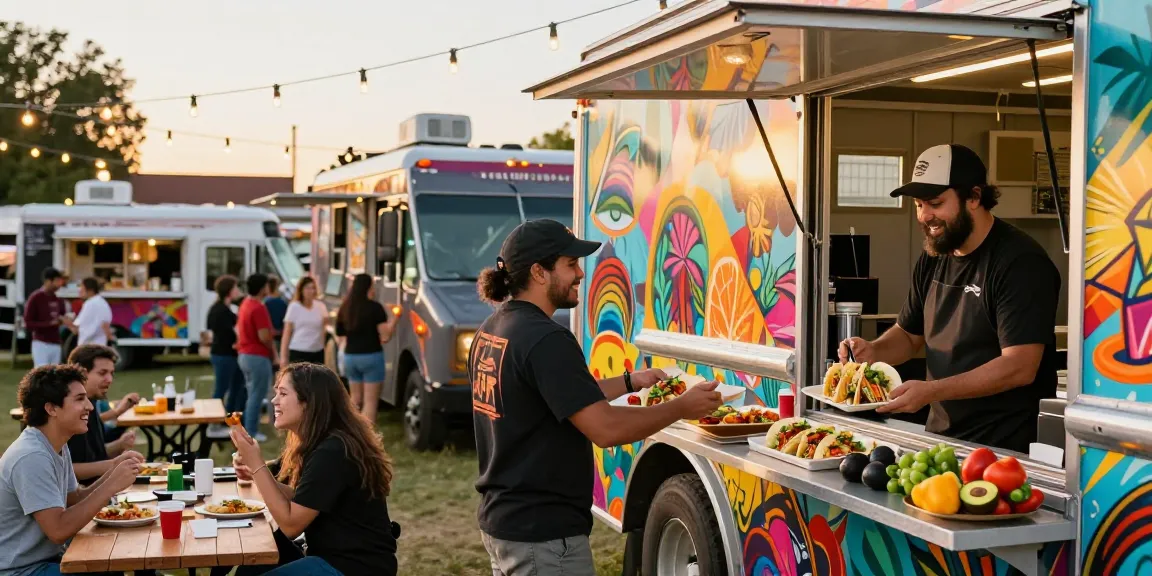
Understanding the Basics of Food Truck Startup Costs
Starting a food truck business can be an exciting venture, but it’s essential to understand the financial implications involved. From initial investments to ongoing operational expenses, the costs of launching a food truck can vary widely based on various factors. For aspiring food truck owners, grasping the nuances of food truck startup costs is crucial in making informed decisions that can affect the long-term sustainability of their business.
What Are the Essential Costs Involved?
The essential costs involved in starting a food truck include vehicle purchase or lease, equipment, permits, licenses, and initial inventory. The vehicle itself can be one of the most significant investments you’ll make. Depending on whether you buy a new or used truck, or choose to lease, prices can range widely from $20,000 to $100,000 or more.
Additionally, kitchen equipment—such as grills, fryers, refrigeration units, and food storage—is critical for preparing and serving food efficiently. This can add another $10,000 to $50,000 to your expenses. Permits and licenses are also necessary to operate legally, which can cost anywhere from a few hundred to several thousand dollars, depending on your location and local regulations.
Breaking Down Initial Investment Requirements
When breaking down the initial investment requirements, it’s important to factor in costs beyond just the truck and equipment. Here’s a more detailed breakdown:
- Truck Purchase/Lease: $20,000 - $100,000
- Kitchen Equipment: $10,000 - $50,000
- Permits and Licenses: $500 - $5,000+
- Initial Inventory: $1,000 - $5,000
- Insurance: $1,000 - $3,000 annually
- Marketing and Branding: $1,000 - $5,000
- Miscellaneous Expenses: $1,000 - $3,000
It’s crucial to have an accurate estimate of these initial costs to avoid underfunding your business at launch.
Understanding Ongoing Operational Expenses
Ongoing operational expenses are another critical aspect of maintaining a food truck business. After the initial investment, you need to budget for:
- Fuel: $300 - $800 monthly, depending on usage
- Supplies and Inventory: $500 - $1,500 monthly
- Employee Wages: $2,000 - $3,500 monthly for a small team
- Maintenance and Repairs: $200 - $500 monthly
- Utilities: $100 - $300 monthly
- Marketing and Promotions: $200 - $1,000 monthly
These expenses can fluctuate, so having a flexible budget is essential for navigating the ups and downs of daily operations.
Key Factors Influencing Food Truck Startup Costs
Several factors influence the costs associated with launching and operating a food truck. Understanding these can help prospective owners better prepare their budgets.
Location and Market Demand Impacts
The geographic location of your food truck plays a significant role in determining startup costs. High-demand areas, such as urban centers or locations with heavy foot traffic, can mean higher costs for permits and parking fees, but they can also provide a better customer base. Conversely, setting up in a less populated area may reduce some overhead costs but could also limit sales potential.
Cost Variances by Cuisine Type
The type of cuisine you choose can drastically affect startup costs. For example, a gourmet food truck offering expensive ingredients will require a more significant initial investment and higher ongoing costs compared to a basic hot dog or taco truck. Specific cuisine types may also necessitate specialized equipment, which can further increase costs.
Necessary Permits and Licensing Fees
Every state and municipality has its own regulations governing food trucks, and understanding these can be complex. Specific permits can include health permits, business licenses, and food handling certifications. Some locations may also require zoning permits, which can add additional costs. It’s crucial to allocate enough budget for these potential expenses to avoid legal issues down the line.
How to Create a Realistic Budget for Your Food Truck
Creating a realistic budget is essential for the success of your food truck business. Here are some practical steps to ensure you cover all aspects effectively.
Steps to Develop a Comprehensive Business Plan
A well-structured business plan will act as your roadmap. It should outline your business concept, target market, financial projections, and operational strategies. Make sure to include detailed cost assessments for both startup and ongoing operations, and refine your strategy based on market research to ensure it’s viable.
Using Market Research to Inform Financial Projections
Market research is invaluable for developing accurate financial projections. Analyze current trends, competitors, and customer preferences in your target market. This information should guide your pricing strategy, menu selection, and marketing efforts, ultimately impacting your projected income and expenses.
Allocating Funds for Marketing and Promotions
Don’t overlook the importance of budgeting for marketing and promotions. Creating brand awareness is crucial when starting your food truck. Allocate funds for social media advertising, local events, and partnerships with other businesses to ensure you are engaging with your community and attracting customers.
Cost-Saving Tips for Aspiring Food Truck Owners
Starting a food truck doesn’t have to break the bank. Here are practical tips to help you save money while launching your business.
Choosing the Right Equipment without Breaking the Bank
When selecting kitchen equipment, look for high-quality, used items or leased equipment to save on upfront costs. Research local suppliers and online marketplaces for affordable options without compromising quality. Additionally, consider multi-functional appliances to reduce the need for multiple pieces of equipment.
Utilizing Cost-Effective Supply Sources
Establish relationships with local suppliers who can provide fresh ingredients at competitive prices. Consider joining co-ops or buying in bulk to reduce costs further. Many food truck owners also find savings by sourcing ingredients seasonally, as this often results in lower prices and fresher products.
Finding Affordable Locations for Your Food Truck
Identifying affordable locations is key to minimizing costs. Consider less popular areas with growth potential or partnering with local businesses to share space. Some food truck owners find success by attending local events and festivals, offering exposure without the need for a permanent location.
Future Trends Affecting Food Truck Startup Costs in 2026
As 2026 approaches, several trends are expected to influence food truck startup costs. Keeping an eye on these trends can help you adapt your business strategy accordingly.
How Technology Will Influence Operating Costs
The integration of technology in food service operations is likely to increase efficiency, but it may also require a significant upfront investment. From mobile ordering apps to inventory management software, technology can streamline operations and reduce long-term costs but should be carefully considered within your budget.
Shifts in Consumer Preferences and Their Financial Implications
Consumer preferences continue to evolve, with growing interest in plant-based options, sustainability, and healthy eating. Catering to these preferences may require shifts in your menu and sourcing strategies, which could impact costs. Understanding these trends early can help you position your food truck to meet demand effectively.
The Impact of Economic Factors on Food Truck Viability
Economic conditions, including inflation rates and disposable income levels, will play a significant role in how food trucks operate. Keeping an eye on these factors can help you adjust your pricing strategy or menu offerings to maintain profitability.
What are common financing options for food trucks?
Common financing options for food trucks include personal savings, bank loans, crowdfunding, and investor partnerships. Each option comes with its pros and cons, and it’s essential to assess which aligns best with your business goals and financial situation.
How do I accurately calculate my expected ROI?
Calculating your expected return on investment involves estimating both your startup costs and projected income. Use realistic sales projections based on market research and historical data to estimate how long it will take to break even and achieve profitability.
What permits do I need to operate a food truck?
Required permits vary greatly by location but generally include health permits, business licenses, and vehicle registration. Research local regulations and consult with city officials to ensure you have all necessary documentation before launching your food truck.
How can I effectively market my food truck on a budget?
Effective marketing on a budget can be achieved through social media engagement, local partnerships, and word-of-mouth referrals. Utilize platforms like Instagram or TikTok, where food photography thrives, and engage your community through local events and promotions.
What trends should I consider when planning my menu?
When planning your menu, consider current food trends, seasonal ingredients, and customer preferences. Offering unique dishes that stand out while remaining affordable can attract a diverse customer base and drive sales.