Understanding Nyonya Cuisine
Nyonya cuisine, a vibrant culinary legacy that blends Chinese and Malay influences, is a testament to the rich cultural tapestry of Southeast Asia. Originating from the Peranakan community—descendants of Chinese immigrants who married local Malays—Nyonya cooking is renowned for its intricate flavors and aromatic spices. The dishes showcase a unique harmony between tangy, spicy, and sweet, making Nyonya cuisine both dynamic and versatile. When exploring options, nyonya4d provides comprehensive insights into this captivating culinary tradition.
History and Cultural Significance of Nyonya4D
The history of Nyonya cuisine is deeply intertwined with the cultural identity of the Peranakan people. Following the migration of Chinese merchants to the region, they married local Malay women, forming a distinctive community with its own language, customs, and, importantly, cuisine. The term "Nyonya" refers to the female descendants, while "Baba" denotes the males. Over centuries, the culinary practices of these communities evolved, borrowing from both Chinese and Malay cooking techniques and ingredients, which resulted in a distinct gastronomical identity. The significance of Nyonya cuisine extends beyond just food; it plays a role in festivals, marriages, and social gatherings, symbolizing unity and heritage.
Key Ingredients in Nyonya Dishes
Nyonya cuisine is celebrated for its diverse use of ingredients that bring depth and character to its dishes. Key ingredients often include:
- Lemongrass: Adds a refreshing citrus flavor.
- Tamarind: Contributes sourness and complexity.
- Chili: Essential for heat and warmth.
- Coconut milk: Provides richness and creaminess.
- Ginger and Galangal: Offer aromatic and spicy undertones.
- Belacan (fermented shrimp paste): Adds umami and depth to flavors.
These ingredients combined with traditional cooking methods create the layered flavors characteristic of Nyonya dishes.
Common Misconceptions about Nyonya Cuisine
Despite its rich history, several misconceptions about Nyonya cuisine persist. One prevalent myth is that all Nyonya dishes are intensely spicy. While many do incorporate chili, the spice level varies significantly, and numerous dishes focus on fragrant herbs and subtle flavors. Another misconception is that Nyonya food is solely for special occasions. Conversely, many dishes are quite approachable for everyday cooking, making them perfect for home chefs looking to explore new culinary horizons.
Essential Cooking Techniques for Nyonya4D
Mastering Nyonya cuisine requires understanding specific cooking techniques that are foundational to its flavor profiles and textures. The following techniques are essential to creating authentic Nyonya dishes.
Preparing Traditional Spice Pastes
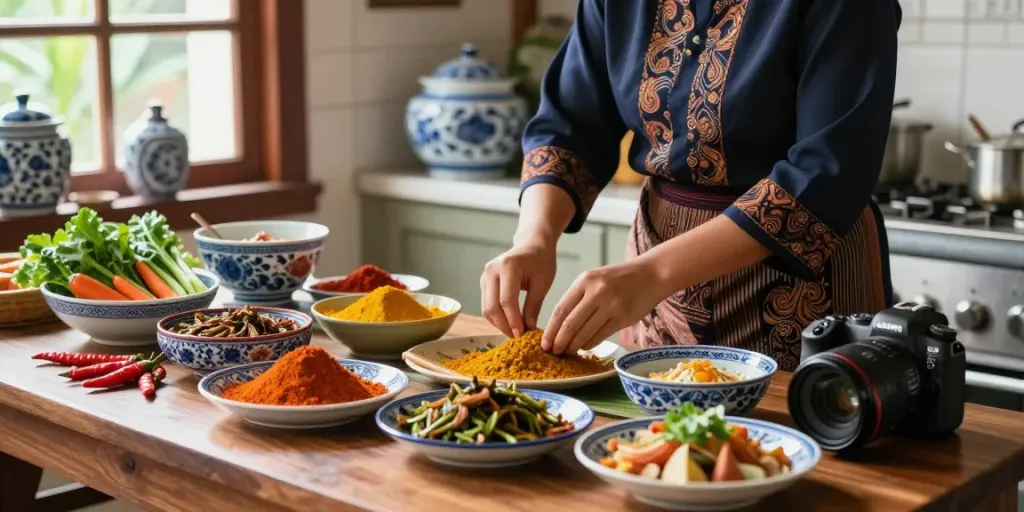
One of the hallmarks of Nyonya cooking is the use of homemade spice pastes. These pastes are typically a blend of fresh ingredients like garlic, shallots, chilies, and various spices. To prepare, use a mortar and pestle or a food processor to grind the ingredients into a smooth paste, allowing the oils to release and intensify the flavors. This foundational step is crucial for creating robust sauces and marinades.
Understanding Cooking Methods: Steaming vs. Braising
Nyonya cuisine utilizes several cooking methods, with steaming and braising being the most prevalent. Steaming, often used for dumplings and cakes, helps preserve the ingredients' moisture and nutrients. Alternatively, braising allows for the slow cooking of meats with spices, ensuring that flavors meld beautifully over time. Each method brings out distinct textures and tastes essential to Nyonya dishes.
Using Authentic Utensils and Equipment
Utilizing the right utensils can enhance the cooking experience of Nyonya cuisine. Traditional tools like clay pots, bamboo steamers, and mortar and pestles not only honor the culinary heritage but also facilitate more authentic results. For instance, cooking in a clay pot allows for even heat distribution and retains moisture, which is ideal for various braised dishes.
Practical Recipes to Try
Engaging with Nyonya cuisine at home can be a rewarding experience. Here are some delightful recipes that showcase the intricate flavors and techniques of this culinary art.
Signature Nyonya Dishes to Start With
Some classic Nyonya dishes to consider include:
- Ayam Pongteh: A rich chicken stew cooked with fermented soybeans.
- Otah-Otah: Grilled fish paste wrapped in banana leaves.
- Kueh Lapis: Layered steamed cake made from rice flour and coconut milk.
Step-by-Step Guide to Classic Recipes
To help you get started, here is a step-by-step guide for preparing Ayam Pongteh:
- Gather all ingredients, including chicken, fermented soybeans, potatoes, and spices.
- Prepare the spice paste by blending garlic, shallots, and chilies.
- Heat oil in a pot and sauté the spice paste until fragrant.
- Add the chicken and potatoes, stirring to coat well.
- Pour in water and let it simmer until the chicken is tender.
- Serve hot with steamed rice.
Tips for Hosting a Nyonya Dinner
Hosting a Nyonya dinner can be a delightful experience for you and your guests. Here are some tips to consider:
- Curate a balanced menu that incorporates appetizer, main course, and dessert.
- Decorate the dining space with traditional fabrics to enhance the atmosphere.
- Consider serving drinks like kopi (coffee) or tea to complement the meal.
Modern Twists on Traditional Nyonya
Culinary innovation continues to play a significant role in the evolution of Nyonya cuisine. Today's chefs are adapting traditional recipes to cater to diverse palates while preserving their essence.
Adapting Recipes for Contemporary Palates
Contemporary chefs are creatively updating Nyonya dishes by reducing oil content, experimenting with alternative proteins, or incorporating trendy ingredients like quinoa or whole grains. These adaptations maintain the original flavors while making them more relevant to today's health-conscious diners.
Incorporating Local Ingredients
Chefs are increasingly sourcing local ingredients to provide a fresh twist on traditional recipes. This practice not only supports local farmers but also enhances the sustainability of dishes, promoting a farm-to-table ethos that resonates with modern consumers.
Fusion Cuisine: Nyonya Meets Global Flavors
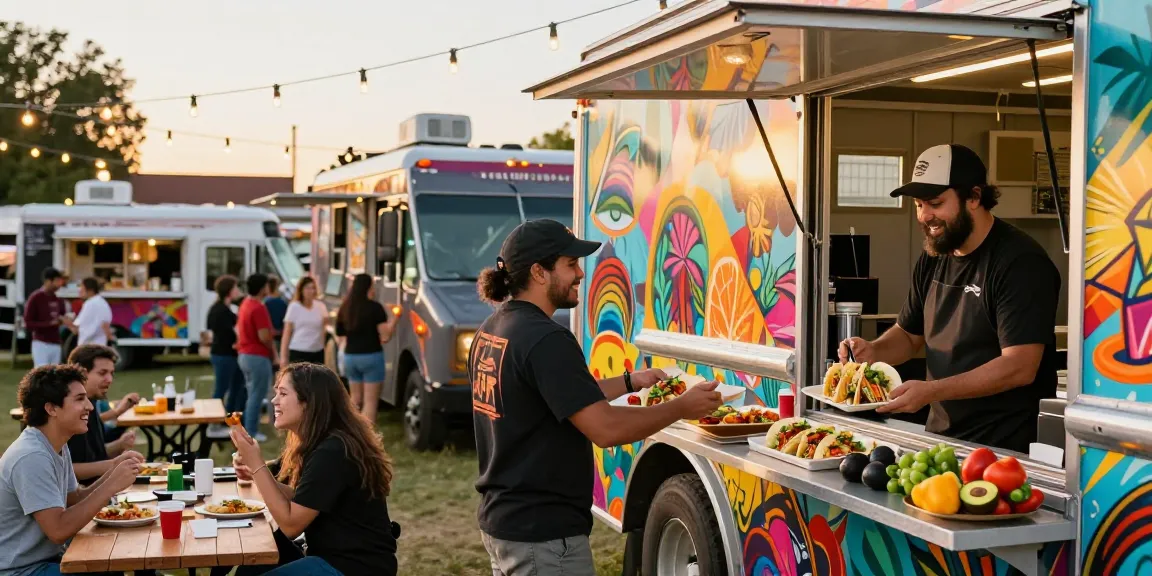
Fusion cuisine is another exciting trend, where Nyonya flavors meet global culinary practices. Think of dishes like Nyonya tacos, where traditional elements like sambal and grilled fish are combined with Mexican tortillas, or Nyonya-inspired sushi that marries aromatic herbs with vinegared rice.
Future Trends in Nyonya Cuisine
The future of Nyonya cuisine is bright, with emerging trends likely to shape its trajectory over the next few years.
Emerging Nyonya4D Influencers and Chefs
New generations of chefs and food influencers are revitalizing Nyonya cuisine, leveraging social media platforms to showcase their culinary creations. They are not only preserving traditional recipes but also modernizing them, ensuring they reach a broader audience while maintaining cultural integrity.
Predictions for Nyonya Cuisine in 2026
By 2026, we can expect Nyonya cuisine to gain greater international recognition. The increase in culinary tourism, coupled with a surge in interest in ethnic foods, will likely elevate Nyonya dishes to mainstream dining options in global cities.
How Technology is Changing Cooking Practices
Technology is also playing a pivotal role in cooking practices. Smart kitchen devices, online cooking classes, and recipe sharing apps are transforming how people engage with Nyonya cuisine. These advancements will make authentic cooking more accessible, allowing home cooks to explore traditional recipes with greater ease and confidence.
What are the best Nyonya dishes for beginners?
Beginners are encouraged to start with simpler recipes such as Nyonya fried rice or chicken curry as these are less complex and can help in understanding the balance of flavors in Nyonya cooking.
How can I incorporate Nyonya recipes into my daily cooking?
Incorporating Nyonya recipes can be as simple as adding a Nyonya-inspired stir-fry or using spices like coriander and turmeric in everyday dishes to familiarize oneself with the flavors.
What tools do I need for authentic Nyonya cooking?
Essential tools include a mortar and pestle for grinding spices, a bamboo steamer for dim sum, and clay pots for braising. These tools enhance the cooking experience and help achieve traditional results.
Are there vegetarian options within Nyonya cuisine?
Absolutely! Nyonya cuisine offers a variety of vegetarian dishes such as chap chye (mixed vegetables) and tofu curry, providing delicious plant-based options while retaining authentic flavors.
How do I find authentic Nyonya ingredients?
For authentic Nyonya ingredients, visit local Asian markets or specialty stores that carry Malaysian or Indonesian products. Online retailers have also begun to stock these essential items, making them more accessible.