Understanding CNC Machining Parts Manufacturing
CNC machining, which stands for Computer Numerical Control machining, is a manufacturing process that utilizes computerized controls to operate machine tools. This method allows for highly precise fabrication of parts and components across various industries, significantly reducing human error while increasing production efficiency. Since 2003, companies like Honscn have been leading the way as cnc machining parts manufacturer, offering exceptional service and expertise in this field.
What is CNC Machining?
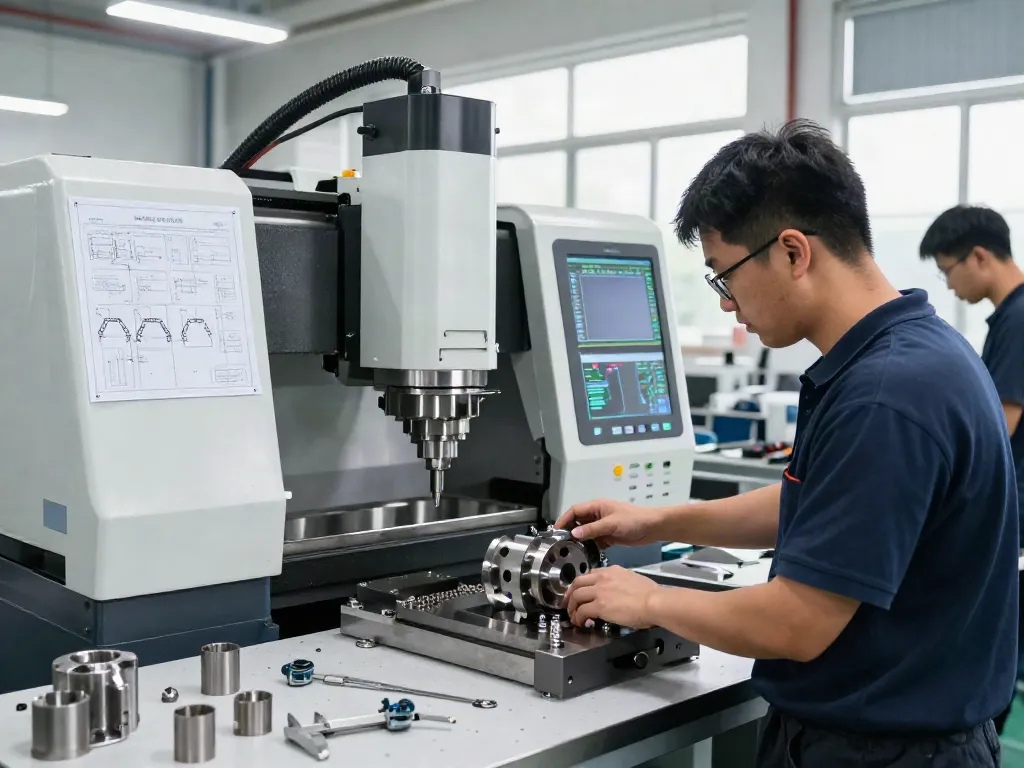
CNC machining involves the use of computers to control machine tools such as lathes, mills, and 3D printers. This process starts with a digital design created using CAD (Computer-Aided Design) software, which is then translated into a series of commands that dictate the motion of the machines. The result is remarkably precise parts that meet intricate specifications, making CNC machining an essential method for industries requiring high-quality components, including aerospace, automotive, and medical fields.
The Role of CNC Machining Parts Manufacturers
CNC machining parts manufacturers play a critical role in bridging the gap between design and production. They employ advanced machinery and skilled technicians to ensure that digital designs are transformed into physical parts accurately and efficiently. These manufacturers are responsible for quality assurance throughout the entire production process, from initial prototyping to final inspection. Their expertise not only guarantees the precision of components but also impacts the overall supply chain by enhancing delivery times and maintaining cost efficiency.
Key Technologies Used in CNC Machining
Modern CNC machining utilizes a variety of technologies to optimize production. Key advancements include:
- 5-Axis Machining: This technology allows for complex geometries to be machined in one setup, significantly improving accuracy and reducing lead times.
- Computer-Aided Manufacturing (CAM): CAM software enhances the programming of CNC machines, facilitating more efficient tool paths and reducing production times.
- Automation and Robotics: The integration of robotics in CNC machining enables manufacturers to automate repetitive tasks, improving efficiency and reducing labor costs.
Advantages of Choosing a Professional CNC Machining Parts Manufacturer
When selecting a CNC machining parts manufacturer, it’s essential to consider the distinct advantages they offer. A professional manufacturer not only understands the technicalities of machining but also provides strategic benefits that enhance the production process.
High Precision and Quality Standards
One of the principal benefits of working with expert CNC machining parts manufacturers is their commitment to precision. Manufacturers often utilize ISO-certified processes to ensure that every part meets stringent quality standards. This level of quality assurance reduces the risk of defects and ensures that parts will perform as expected in their intended applications.
Fast Turnaround Times and Efficiency
In today's competitive market, speed is essential. Reliable CNC machining parts manufacturers prioritize fast turnaround times without sacrificing quality. By leveraging advanced technologies and optimized workflows, they can deliver products quickly to meet tight deadlines. This agility is especially crucial for industries that require rapid prototyping and low-volume production runs.
Customization Options for Diverse Needs
Another significant advantage is the ability to customize parts according to specific requirements. Professional manufacturers work closely with clients to understand their needs and develop tailored solutions. This flexibility ensures that manufacturers can produce components in various materials, sizes, and finishes, catering to a broad range of industries.
Challenges Faced by CNC Machining Parts Manufacturers
Despite their many advantages, CNC machining parts manufacturers encounter several challenges that can affect their operations and client satisfaction.
Resource Management and Cost Control
Effective resource management is a constant challenge for manufacturers. They must balance the costs of raw materials, labor, and machine maintenance while maintaining competitive pricing. Implementing advanced planning and management systems can help mitigate these challenges and optimize resource use.
Maintaining Quality Assurance Consistently
Consistency in quality is vital for retaining customers and reputation in the market. Manufacturers face the challenge of ensuring that all produced parts meet the same high standards. Regular training for staff and routine equipment maintenance are essential for sustaining quality across all production runs.
Adapting to Technological Advances
The rapid pace of technological advancements in CNC machining can be daunting. Manufacturers must continually invest in new technologies and training to stay relevant and competitive. This need for adaptation can strain resources but is necessary for long-term sustainability and growth.
Future Trends in CNC Machining Parts Manufacturing
The CNC machining industry is on the brink of several exciting advancements that promise to shape its future. Staying abreast of these trends is crucial for manufacturers aiming to maintain a competitive edge.
Integration of AI and Automation
Artificial intelligence (AI) is beginning to play a significant role in CNC machining, with predictive analytics helping manufacturers optimize production schedules and reduce waste. Automation will continue to transform aspects of the machining process, reducing labor costs and increasing efficiency.
Increasing Demand for Sustainable Practices
As environmental concerns grow, CNC machining parts manufacturers are under pressure to adopt more sustainable practices. This includes utilizing eco-friendly materials, reducing waste, and implementing energy-efficient technologies during production.
Innovations in Materials and Techniques
The development of new materials such as composites and advanced alloys will revolutionize CNC machining capabilities. These innovations allow manufacturers to create lighter yet stronger parts, catering to industries such as aerospace and automotive, which demand high-performance components.
Deciding on the Right CNC Machining Parts Manufacturer
Selecting the right CNC machining parts manufacturer requires careful consideration of several factors that can impact your project’s success.
Evaluating Manufacturer Capabilities
Understanding a manufacturer’s capabilities is crucial when sourcing parts. Key aspects include their technology, workforce skills, production capacity, and experience in your specific industry. Requesting case studies or references can provide insights into their capabilities and reliability.
Assessing Customer Service and Support
Responsive customer service is vital for a smooth collaboration. A manufacturer should be willing to communicate openly about project timelines, potential issues, and technical support. Building a strong partnership can facilitate more fluid project management and adaptability to changes.
Importance of Long-term Partnerships
Establishing long-term partnerships with CNC machining parts manufacturers can yield significant benefits. These include improved communication, better pricing, and a deeper understanding of your specific needs and production processes, ultimately leading to higher quality outcomes.
What are the benefits of using a CNC machining parts manufacturer?
The benefits are vast, including cost savings, high precision, and the ability to produce complex parts that adhere to tight specifications. Manufacturers also provide rapid turnaround times and expert support, ensuring that projects progress smoothly.
How can I find the best CNC machining parts manufacturer?
Research is key. Look for manufacturers with a solid reputation, relevant industry experience, and certifications. Reading reviews and case studies can help narrow down your options and guide your decision-making process.
Are CNC machined parts cost-effective?
Yes, CNC machined parts can be very cost-effective, especially when considering the precision and quality they provide. While initial costs may be higher than traditional manufacturing methods, the long-term benefits, such as reduced waste and rework, often lead to overall savings.
What industries benefit from CNC machining parts?
Many industries benefit from CNC machining, including aerospace, automotive, medical devices, electronics, and consumer goods. Each of these sectors requires precise, durable parts that can withstand rigorous applications.
How does technology impact CNC machining?
Technology significantly impacts CNC machining by allowing for greater precision, efficiency, and automation. New software, advanced machining techniques, and robotics all contribute to enhanced production capabilities, ensuring that manufacturers can meet evolving industry demands.