Understanding Automatic Bag Palletizer Machines
In the highly competitive landscape of modern manufacturing and logistics, the efficiency of packaging processes can be a significant determinant of overall success. One of the key components that facilitate this efficiency is the automatic bag palletizer machine. These machines are engineered to streamline the palletizing process, ensuring accuracy, speed, and reliability when handling bags of various sizes and materials. In this article, we will delve into the essentials of automatic bag palletizers, exploring their features, benefits, and future trends.
What is an Automatic Bag Palletizer Machine?
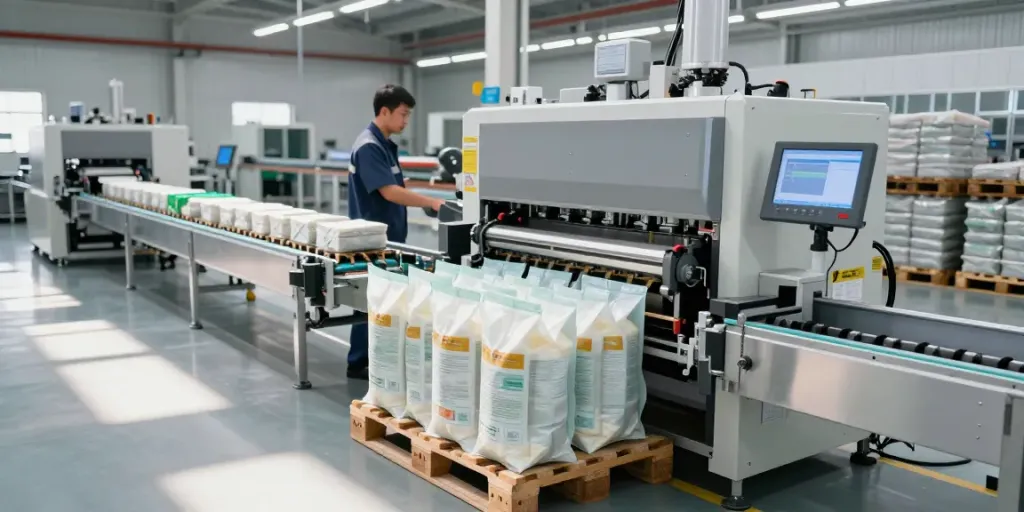
An automatic bag palletizer machine is a sophisticated piece of equipment designed for the automated stacking of bags onto pallets at high speeds. Typically used in industries such as food, fertilizers, chemicals, and more, these machines utilize robotic arms or other mechanical systems to pick up bags from a conveyor, orient them correctly, and place them onto a pallet in a pre-defined pattern. This automation not only enhances productivity but also minimizes human error, reducing the risk of workplace injuries associated with manual handling.
Key Features and Benefits for Businesses
- Increased Efficiency: Automatic bag palletizers significantly speed up the palletizing process, allowing businesses to handle larger volumes without increasing labor costs.
- Versatility: These machines can accommodate various bag sizes and weights, making them ideal for companies with diverse product lines.
- Enhanced Precision: With advanced sensors and controls, these systems ensure accurate placement of bags, contributing to stable pallet loads and reduced product damage.
- Integration with Existing Systems: Automatic bag palletizers can seamlessly integrate with existing packaging lines, enhancing overall workflow without requiring extensive modifications.
- Reduced Labor Costs: By automating this critical process, companies can lower their reliance on manual labor, reallocating resources to more value-added activities.
Types of Automatic Bag Palletizer Machines
Various types of automatic bag palletizers cater to the unique needs of different industries. The major categories include:
- Robotic Bag Palletizers: These utilize robotic arms and are highly flexible, capable of handling a variety of bag sizes and weights.
- Conventional Palletizers: These machines use mechanical arms and are typically used for high-volume operations where bag size and weight are uniform.
- Hybrid Models: Combining the benefits of robotic and conventional systems, hybrid palletizers can switch between functionalities, providing adaptability and efficiency.
Choosing the Right Bag Palletizer for Your Needs
Selecting the appropriate automatic bag palletizer machine requires an understanding of your specific operational needs and production requirements. Different models offer varying capabilities, and understanding these can help businesses make informed decisions.
Assessing Your Production Requirements
Before investing in a bag palletizer, assess your production volume, frequency of changeovers, and bag specifications. Consider the following:
- Production Volume: High-volume operations may benefit from high-speed palletizers, while smaller operations may opt for lower-capacity models.
- Bag Characteristics: Evaluate the types of bags you handle: are they lightweight or heavyweight? Are they made of flexible materials or rigid? Different machines cater to different product specifications.
- Workflow Integration: Consider how the palletizer will fit into your existing production line, and whether it can easily integrate with other equipment such as bagging machines and conveyors.
Comparing Different Models and Technologies
When choosing a palletizer, it's essential to compare various models based on performance, pricing, and technological advancements. Key factors to consider include:
- Speed and Capacity: Compare the speed of different models, typically measured in bags per minute, and ensure it meets your production demands.
- Ease of Operation: Look for machines with intuitive user interfaces that allow for quick adjustments and easy troubleshooting.
- Maintenance Requirements: Investigate the maintenance needs and costs of different models, ensuring the machine you select offers reliability with minimal downtime.
Common Mistakes to Avoid When Selecting a Machine
Many businesses make common mistakes when selecting a palletizing system. Here are a few to avoid:
- Failing to conduct a thorough assessment of production needs can lead to selecting an inadequately sized machine.
- Overlooking the importance of technical support and after-sale service can result in challenges when maintenance issues arise.
- Neglecting to consider future growth can limit the scalability of your production capabilities.
Integrating Automatic Bag Palletizers into Your Workflow
Successfully integrating an automatic bag palletizer into your existing operation requires careful planning and execution. This includes everything from initial preparation to ongoing operation.
Preparation for Installation
Preparation is crucial for a smooth installation. Ensure that:
- The installation site is adequately prepared, with sufficient space and electrical connections in place.
- All involved staff are informed about the new equipment and its operational significance.
- Proper safety measures are established to protect employees during the installation phase.
Best Practices for Streamlined Operations
To maximize the benefits of your automatic bag palletizer, consider the following best practices:
- Regularly review the production line workflow to identify potential bottlenecks and optimize the overall system.
- Ensure that the palletizer is regularly calibrated and maintained to operate efficiently without interruptions.
- Incorporate monitoring tools to track performance metrics, facilitating continuous improvement.
Training Your Staff for Successful Use
Effective training for your team is essential to fully leverage the capabilities of an automatic bag palletizer. Key training elements should include:
- Comprehensive operational training covering all aspects of machine use.
- Safety protocols and emergency response procedures to ensure a safe working environment.
- Regular refreshers and updates on system capabilities as technology evolves.
Maintaining Your Automatic Bag Palletizer Machine
Regular maintenance of your automatic bag palletizer machine is crucial for ensuring long-term performance and reliability. Following a structured maintenance routine can help identify issues before they lead to costly downtimes.
Regular Maintenance Checklist
A thorough maintenance checklist might include:
- Daily inspections of all mechanical components.
- Weekly calibration of sensors and alignment of robotic arms.
- Monthly cleaning of all parts, removing dust and debris that could impede operation.
Identifying Common Issues and Solutions
Common issues may arise during the lifespan of an automatic bag palletizer. These might include:
- Misalignment: Regular checks of the bag feeding system can prevent misalignment and ensure accurate stacking.
- Inconsistent Performance: This may indicate outdated software or hardware that should be inspected for updates.
- Mechanical Failures: Address small mechanical issues early to avoid them escalating into larger, more expensive repairs.
Upgrading Technology for Enhanced Efficiency
As technology evolves, upgrading your palletizing system can enhance efficiency. Consider:
- Investing in new software that improves operational efficiency through advanced analytics.
- Upgrading robotic arms to keep pace with increasing production speeds and flexibility.
- Exploring opportunities for automation beyond palletizing, expanding into complete end-of-line solutions.
Future Trends in Bag Palletizing Automation
The landscape of bag palletizing automation is rapidly evolving. Keeping an eye on future trends is essential for businesses to stay competitive and maximize their investment in technology.
Emerging Technologies in 2026 and Beyond
By 2026, advancements in artificial intelligence (AI) and machine learning are expected to transform palletizing operations. These technologies can enhance predictive maintenance and improve the adaptability of machines to handle varying product types without significant downtime.
Impact of AI and Robotics on Automation
AI-driven automation will allow for more sophisticated decision-making processes, optimizing the palletizing workflow based on real-time data. This includes improved inventory management and automation of entire packaging lines, leading to a significant reduction in costs and increased productivity.
Predicted Industry Changes and Opportunities
The shift toward sustainability is likely to shape the bag palletizing industry. Companies will be more inclined to invest in eco-friendly materials and processes, including the use of renewable energy sources to power machinery and reducing waste, further influencing the design and function of automatic bag palletizers.