Understanding Glass Cutting Machines
In the realm of manufacturing and construction, glass cutting machines play a crucial role in shaping and designing glass products. These machines have evolved significantly over the years, combining precision engineering with advanced technology to deliver high-quality results. As businesses and industries seek reliable and efficient solutions, finding a reputable glass cutting machine supplier is essential for meeting production needs.
What is a Glass Cutting Machine?
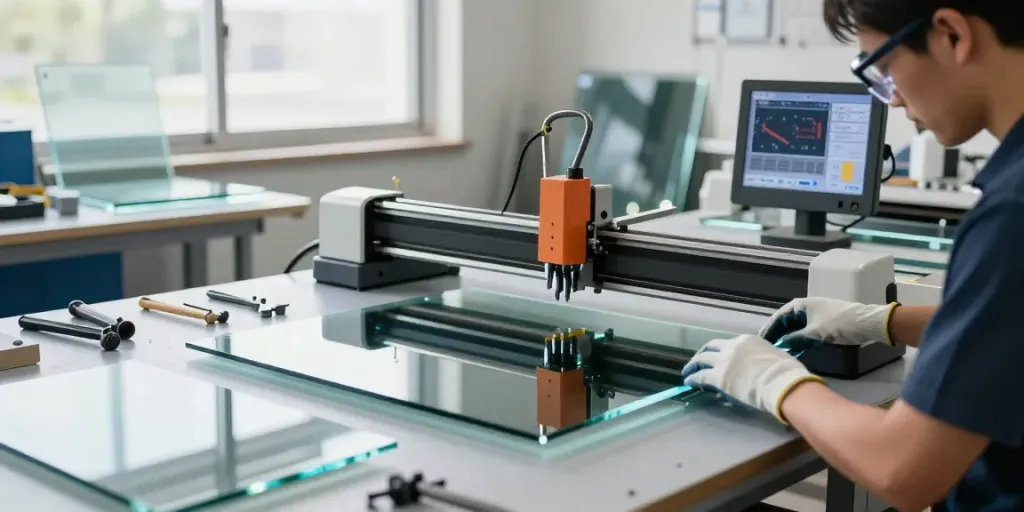
A glass cutting machine is a specialized equipment designed to cut glass into specified dimensions and shapes. The process usually involves scoring the glass surface with a cutting tool and then applying pressure to break it along the scored line. These machines can vary widely in complexity from manual tools to fully automated CNC systems that offer intricate cutting capabilities.
Types of Glass Cutting Machines
There are several types of glass cutting machines, each suited for different applications:
- Manual Glass Cutters: Ideal for small-scale projects, these handheld tools provide flexibility and precision for artistic glass cutting.
- CNC Glass Cutting Machines: Computer Numerical Control (CNC) machines automate the cutting process with high precision, suitable for large production runs.
- Water Jet Cutters: Utilizing high-pressure water jets, these machines can cut through thick glass with intricate designs, making them ideal for artistic applications.
- Vertical Cutting Machines: Designed for processing laminated or tempered glass, these machines can handle heavier sheets and provide clean cuts.
Key Features of Reliable Suppliers
When selecting a supplier for glass cutting machines, it is essential to consider several key features that indicate reliability and performance:
- Quality Assurance: Look for suppliers that adhere to strict quality standards and regulations.
- After-Sales Support: A reputable supplier should offer comprehensive customer support, including maintenance and troubleshooting services.
- Customization Options: The ability to customize machines based on specific project requirements is a significant advantage.
- Technological Advancements: Suppliers that invest in the latest technologies are more likely to provide efficient and innovative solutions.
Industry Trends in Glass Cutting Technology
The glass manufacturing industry is rapidly evolving, and staying updated with the latest trends is crucial for businesses aiming to remain competitive. Technological advancements continue to shape how glass cutting machines operate, making them more efficient, precise, and environmentally friendly.
Innovations in Cutting Speed and Accuracy
Recent innovations in glass cutting technology have focused on enhancing both speed and accuracy. Advanced CNC systems utilize sophisticated algorithms that optimize cutting paths and reduce waste. For example, some newer models can analyze the type of glass being used and adjust cutting speeds accordingly, ensuring minimal errors and maximum efficiency.
Environmental Considerations in Glass Production
As industries increasingly prioritize sustainability, glass cutting machine manufacturers are integrating eco-friendly practices. Many suppliers now offer machines that utilize less energy and produce less waste. Furthermore, advancements in recycling technologies enable manufacturers to reclaim glass scraps, promoting a circular economy.
Future Projections for 2026
Looking ahead to 2026, the glass cutting machine industry is expected to witness significant growth, driven by increased demand in various sectors such as construction, automotive, and electronics. Automation will continue to play a critical role, with more manufacturers opting for automated solutions that reduce labor costs and enhance precision. Additionally, the integration of artificial intelligence and machine learning will revolutionize how glass cutting processes are monitored and optimized.
Choosing the Right Glass Cutting Machine Supplier
Finding the right glass cutting machine supplier is vital for ensuring the success of your operations. A thorough evaluation process can help in selecting a partner that aligns with your business needs and objectives.
Evaluating Supplier Credentials
Start by assessing the supplier's credentials and industry reputation. Look for companies that have a proven track record in the glass cutting machine market. Certifications from recognized industry bodies can also indicate reliability and expertise.
Comparing Quality and Cost
While cost is an important factor, it should not be the sole consideration. Compare the quality of materials and technology used in the machines. Often, investing in a slightly more expensive machine can yield lower operational costs in the long run due to enhanced efficiency and durability.
Customer Support and Maintenance Services
Customer support and maintenance services play a crucial role in the longevity of your glass cutting machine. Ensure that your supplier provides ongoing support, including training for staff and readily available spare parts. This can minimize downtime and keep your operations running smoothly.
Common Challenges with Glass Cutting Machines
While glass cutting machines are invaluable, they can also present certain challenges that manufacturers must navigate. Understanding these challenges can help prevent costly setbacks.
Technical Issues and Troubleshooting
Technical issues can arise from various sources, such as mechanical malfunctions or software glitches in CNC machines. Having a skilled technician on hand can expedite troubleshooting and repairs. Additionally, regular maintenance checks can help identify potential problems before they escalate.
Safety Protocols to Follow
Safety is paramount when operating glass cutting machines. Implementing strict safety protocols can reduce the risk of accidents. Proper training for operators, using personal protective equipment (PPE), and maintaining clean workspaces are essential safety measures.
Handling Different Glass Types
Different types of glass require specific handling and cutting techniques. For instance, tempered glass is more challenging to cut than regular glass and requires specialized equipment. Suppliers should provide guidance on the best practices for handling various glass types to ensure optimal results.
Case Studies and Success Stories
Understanding real-world applications of glass cutting technology can provide valuable insights for businesses looking to enhance their operations.
Real-World Examples of Effective Glass Cutting
Many businesses have successfully integrated advanced glass cutting machines into their production lines. For example, a leading architectural firm improved its design efficiency by implementing CNC glass cutting technology, reducing project turnaround times and enhancing precision in custom designs.
Top Suppliers in the Market
Several suppliers have established themselves as leaders in the glass cutting machine market. Competitors include well-known brands that provide diverse solutions tailored to various industry needs. Researching these suppliers can help you find the right fit for your business.
Lessons Learned from Industry Leaders
Industry leaders often share valuable lessons on integrating new technologies and optimizing processes. Following their insights on best practices and innovative approaches can help your business stay competitive.
What Maintenance Practices Should You Implement?
Regular maintenance practices are crucial for prolonging the lifespan of glass cutting machines. Establishing a routine that includes cleaning, inspecting components, and calibrating systems can significantly reduce downtime and repair costs.