Understanding Engineered Composites: The Basics of GRP Manufacturing
Engineered Composites, a leading GRP manufacturer in the UK, has firmly established itself as a pivotal player in the manufacture and supply of Glass Reinforced Plastic (GRP) products over the past 40 years. The integration of advanced materials and innovative processes allows Engineered Composites to deliver a wide range of GRP solutions tailored to various industries, including construction, marine, and utilities. This article explores the fundamental aspects of GRP manufacturing, highlighting the unique advantages of these composite materials and what sets Engineered Composites apart from its competitors.
What are Engineered Composites?
Engineered Composites refers to composite materials that are specifically designed and manufactured to provide superior strength, lightweight characteristics, and resistance to environmental factors. GRP, or Glass Reinforced Plastic, is a composite material made from a polymer matrix reinforced with glass fibers, offering a combination of durability and versatility. This blend results in materials that are not only robust but also lightweight, making them ideal for various applications across multiple industries.
The Process of GRP Manufacturing
The manufacturing process of GRP involves several key steps, including:
- Preparation: Raw materials, including resin and glass fibers, are prepared and pre-impregnated to ensure consistent quality.
- Lay-Up: The pre-impregnated materials are layered into molds to create the desired shapes and structures. This process can be done manually or with automated systems, depending on the complexity and scale of production.
- Curing: The assembled materials are then cured using heat or room temperature to ensure the resin hardens, binding the fibers and forming a solid structure.
- Finishing: After curing, the GRP products undergo finishing processes like cutting, drilling, or surface treatment to meet specific client requirements.
This meticulous process is essential for producing high-quality GRP products that meet the demanding standards of various industries.
Key Applications of GRP Products Across Industries
GRP products manufactured by Engineered Composites find applications in numerous sectors, including:
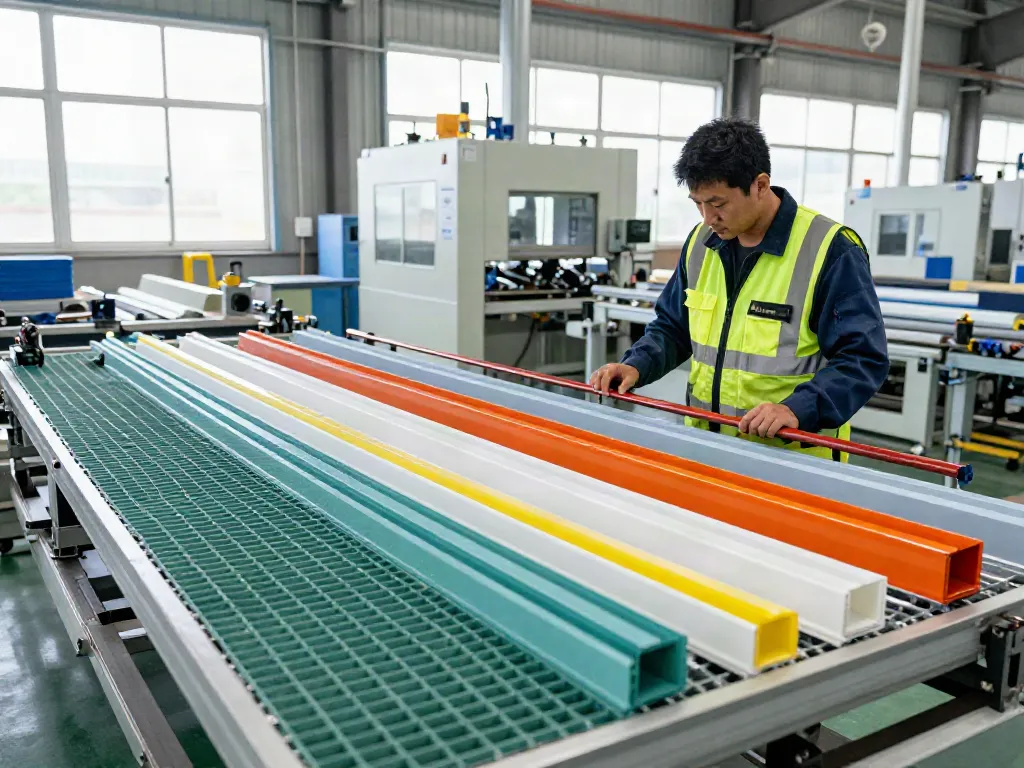
- Construction: GRP gratings, profiles, and handrails provide strong, lightweight alternatives to traditional materials, enhancing safety and durability.
- Marine: The corrosion resistance of GRP makes it ideal for boat building and docks.
- Utilities: GRP is used in water treatment facilities and electrical installations due to its non-conductive properties.
- Transportation: GRP components are utilized in railway infrastructure for their lightweight and robust qualities.
These applications illustrate the versatility of GRP, showcasing how it can meet the unique challenges presented in various environments.
Benefits of Choosing GRP Products Over Traditional Materials
When considering materials for industrial use, the advantages of GRP products over traditional materials such as steel and aluminum are significant. With the continuous advancements in GRP technology, Engineered Composites embraces these benefits to enhance their product offering.
Weight and Strength Advantages of GRP
One of the most notable characteristics of GRP is its weight; GRP can be up to 70% lighter than steel while maintaining comparable or even superior strength levels. This lightweight nature facilitates easier handling, transportation, and installation, ultimately leading to reduced labor costs. Additionally, it allows for the design of structures that require less support, making GRP an efficient choice for demanding applications.
Corrosion Resistance and Longevity
GRP’s inherent resistance to corrosion and chemicals makes it particularly suitable for environments that might otherwise deteriorate metal materials. Unlike steel, GRP does not rust or corrode when exposed to moisture or harsh chemicals, prolonging its lifespan and reducing maintenance costs. This durability means that GRP products from Engineered Composites can provide reliable service in both indoor and outdoor settings for up to 50 years or more.
Sustainability and Environmental Considerations
In today’s eco-conscious landscape, sustainability is a paramount consideration in materials selection. GRP products are manufactured using processes that typically consume significantly less energy compared to traditional materials like steel. Furthermore, many GRP components are recyclable or can be repurposed at the end of their useful life, contributing to a more sustainable construction approach.
Quality Assurance in GRP Manufacturing
Quality is a cornerstone of Engineered Composites’ manufacturing ethos. The commitment to producing high-quality GRP products involves adhering to stringent quality management systems and compliance with international standards.
ISO Certifications and Compliance Standards
Engineered Composites operates under an ISO 9001-certified quality management system, ensuring that every product meets the required performance and safety standards. Products are tested and manufactured to meet BS EN 13706, ensuring consistency and reliability across the entire production line.
Testing Methods for GRP Products
To ensure that all products meet the highest quality standards, Engineered Composites employs rigorous testing protocols. This includes assessments for tensile strength, flexural strength, and fire resistance, verifying that their GRP solutions will perform under various conditions.
Customer Feedback and Quality Ratings
Engineered Composites consistently earns high ratings from customers, reflecting the satisfaction derived from their products and services. Customer testimonials praise the durability and reliability of GRP products, alongside the responsive service provided by the technical support team.
Practical Applications and Customization of GRP Solutions
The versatility of GRP allows for a wide range of practical applications, and Engineered Composites excels in providing customized solutions tailored to specific industry needs.
Structural Applications of GRP in Construction
GRP is gaining traction in structural applications within construction due to its lightweight nature and high strength-to-weight ratio. Engineered Composites supplies a variety of structural profiles, beams, and channels that can replace heavier materials without compromising structural integrity.
Custom Fabrications for Specialized Needs
Engineered Composites specializes in producing bespoke GRP solutions tailored to unique customer specifications. Whether it’s custom-sized panels or specialized profiles, their manufacturing capabilities can accommodate a range of project requirements.
Installation Flexibility and On-Site Modifications
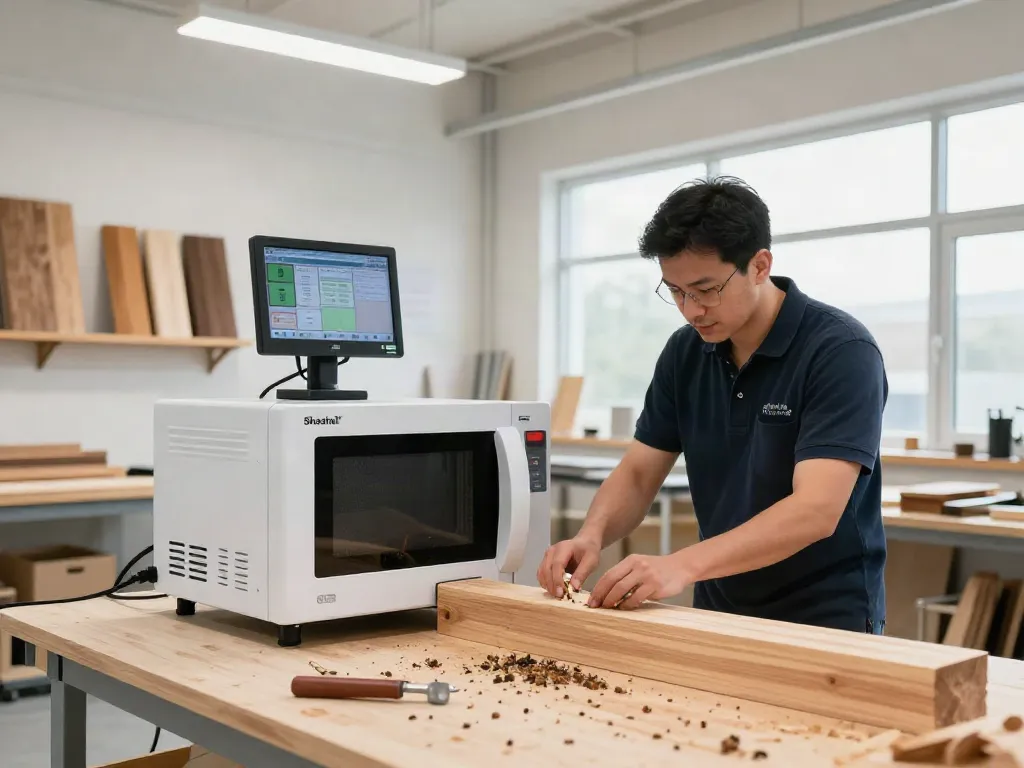
An additional advantage of GRP products is their adaptability. They can be easily cut or drilled on-site using standard tools, allowing for quick adaptations during installation. This flexibility not only saves time but also minimizes waste, making GRP an attractive choice for contractors.
The Future of Engineered Composites in 2026 and Beyond
The landscape of engineered composites is rapidly evolving, with exciting trends and developments on the horizon. As a leader in this industry, Engineered Composites is well-positioned to adapt and thrive.
Emerging Trends in GRP Technology
As technology advances, new manufacturing techniques and materials are being developed to enhance the performance and applications of GRP. Innovations such as 3D printing of GRP components and advancements in resin formulations are expected to expand the boundaries of what is possible with GRP technology.
Future Regulatory Changes and Safety Standards
With the growing emphasis on safety and environmental standards, future regulations will likely focus on enhancing the safety of construction materials. Engineered Composites is committed to staying ahead of these changes and ensuring their products consistently meet or exceed all upcoming requirements.
Predictions for Industry Growth and Product Development
The GRP industry is anticipated to witness significant growth, driven by expanding applications in various sectors and increasing demand for lightweight, durable, and sustainable materials. Engineered Composites aims to innovate and expand its product range to address these emerging market needs effectively.
What are the main advantages of using GRP products?
The primary advantages of GRP products include their lightweight nature, excellent corrosion resistance, minimal maintenance requirements, and adaptability for custom solutions, making them an ideal choice for numerous applications
How does Engineered Composites ensure product quality?
Engineered Composites adheres to ISO 9001 certifications, conducts rigorous testing, and utilizes high-quality raw materials to ensure that every product manufactured meets strict performance and safety standards.
Are GRP materials environmentally sustainable?
Yes, GRP materials are considered environmentally sustainable due to energy-efficient manufacturing processes, recyclability, and longevity, which contribute to reducing overall environmental impact.
What standards do GRP products meet for safety?
Engineered Composites’ GRP products comply with various safety standards, including BS EN 13706 for structural performance and BS 476 Part 7 for fire safety, ensuring they are safe for use in public and industrial environments.
How can I get a quote for GRP products?
To receive a quotation for GRP products, potential customers can reach out to Engineered Composites directly via their website or by calling their sales team, who are always ready to assist with quotes and technical advice.