Understanding the Foundations of Tupaiwin
Tupaiwin is emerging as a significant player in the software development landscape, particularly as teams seek to enhance productivity and improve workflows. By understanding the core architecture, key features, and benefits of Tupaiwin, developers can leverage this platform effectively to streamline their software projects. When exploring options, tupaiwin provides comprehensive insights that can greatly benefit developers looking for scalable solutions.
Overview of Tupaiwin's Architecture
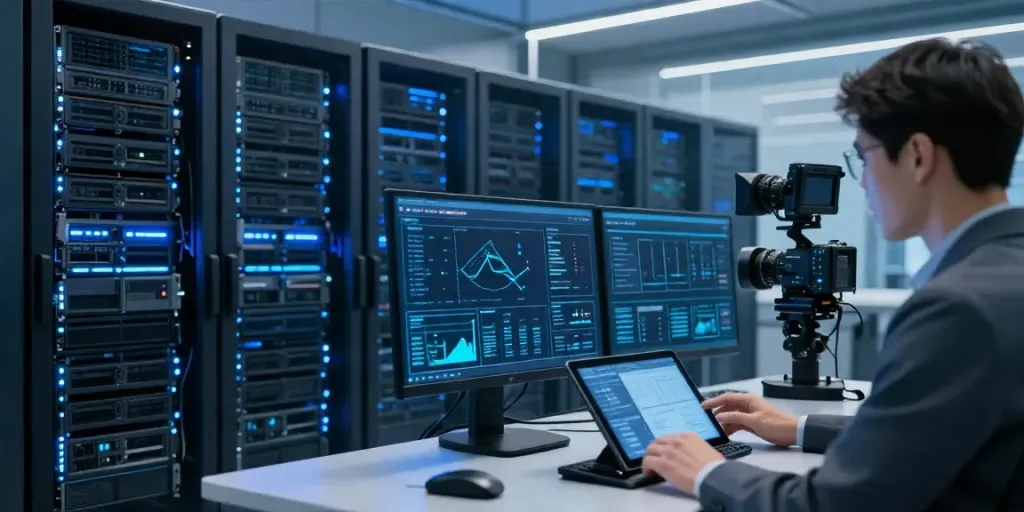
The architecture of Tupaiwin is built around microservices, allowing for modular development that enhances scalability and flexibility. Each service operates independently, which streamlines deployment and updates without disrupting the overall system. This architecture is particularly well-suited for cloud-native environments where scalability and performance are critical.
Key components of Tupaiwin's architecture include containerization with Docker, orchestration via Kubernetes, and serverless computing capabilities. This setup enables seamless integration and deployment across cloud platforms, simplifying complex workflows and maximizing resource utilization.
Key Features and Functionality
- Real-Time Collaboration: Incorporates tools that enable multiple developers to work simultaneously on the same project, fostering innovation and reducing development time.
- Version Control: Integrated version control mechanisms help track changes and manage project histories efficiently.
- Customizable APIs: Provides developers with the ability to create and manage APIs tailored to their project's specific needs.
- Analytics Dashboard: Offers insights into project performance metrics, facilitating data-driven decision-making.
Benefits of Using Tupaiwin in Development
Utilizing Tupaiwin in software development environments brings several advantages:
- Enhanced Productivity: Developers can focus on writing code rather than managing infrastructure, thanks to its abstracted services.
- Reduced Time to Market: The microservices architecture allows for quicker iterations and releases.
- Cost Efficiency: Utilizing serverless and containerized architectures minimizes operational costs by optimizing resource management.
- Improved Collaboration: Facilitates better teamwork through integrated tools for sharing and communication, resulting in fewer misunderstandings and more streamlined workflows.
Implementing Tupaiwin in Cloud Infrastructure
To fully capitalize on Tupaiwin’s capabilities, implementing it within a robust cloud infrastructure is essential. This involves selecting the right cloud provider, adopting best practices for scalability, and ensuring seamless integration with existing cloud services.
Choosing the Right Cloud Provider for Tupaiwin
When selecting a cloud provider, factors such as cost, available services, compliance standards, and support should be taken into account. Major players like AWS, Azure, and Google Cloud offer comprehensive features that complement Tupaiwin’s architecture. Evaluating each provider's performance benchmarks and capabilities will help developers make informed choices based on their specific needs.
Best Practices for Scalability in Cloud Applications
Scalability is inherent to Tupaiwin's design, yet certain best practices can further enhance application performance:
- Load Balancing: Distribute incoming traffic across multiple instances to prevent bottlenecks.
- Auto-Scaling: Implement automatic scaling based on demand to ensure consistent performance during peak times.
- Performance Monitoring: Use tools to monitor application performance, allowing for proactive troubleshooting and optimization.
Integrating Tupaiwin with AWS and Azure
Integration with leading cloud services like AWS and Azure can significantly enhance Tupaiwin's functionality. For instance, utilizing AWS Lambda for serverless computing can optimize processing speed, while Azure’s DevOps tools aid in continuous integration and delivery (CI/CD) workflows.
Cybersecurity Measures for Tupaiwin Applications
As with any modern application, securing Tupaiwin deployments against cyber threats is paramount. Understanding common vulnerabilities and implementing rigorous security practices helps safeguard application integrity and user data.
Understanding Common Cyber Threats
Common threats include SQL injection attacks, cross-site scripting (XSS), and data breaches. Awareness of these threats is the first step in creating a resilient security posture for applications built using Tupaiwin.
Implementing Secure Coding Practices
Developers should adhere to secure coding standards, such as:
- Input Validation: Always validate and sanitize inputs to prevent malicious data entry.
- Authentication and Authorization: Employ robust authentication methods, like multi-factor authentication (MFA), and strict authorization checks to limit data access.
- Regular Security Audits: Conduct audits and vulnerability assessments to identify and mitigate risks proactively.
Using API Security for Tupaiwin
APIs are critical when building applications with Tupaiwin. Securing APIs involves:
- Using API gateways for traffic management and enhanced security.
- Implementing HTTPS to encrypt data in transit.
- Regularly updating API interfaces and monitoring for unusual activity.
AI/ML Best Practices with Tupaiwin
The integration of artificial intelligence (AI) and machine learning (ML) into software development can greatly enhance the capabilities of applications built with Tupaiwin. By leveraging data-driven insights, developers can improve user experiences and operational efficiency.
Leveraging Machine Learning Algorithms
Tupaiwin facilitates the application of tailored machine learning algorithms, allowing developers to build highly functional predictive models that enhance application performance. Popular algorithms include decision trees, neural networks, and support vector machines, which can be integrated seamlessly into Tupaiwin projects.
Building Predictive Models in Tupaiwin
Developers can create predictive models by following these steps:
- Data Collection: Gather comprehensive datasets relevant to the problem being solved.
- Data Preprocessing: Clean and preprocess data to ensure accuracy in model training.
- Model Training: Train various models and evaluate their performance to select the best candidate.
- Implementation: Integrate the selected model into the Tupaiwin application for real-time predictions.
Case Studies of Successful AI Integration
Organizations that have successfully integrated AI and ML with Tupaiwin have reported noticeable improvements in customer engagement and operational workflows, showcasing the value of data-driven decision-making in modern development.
Enhancing Developer Productivity with Tupaiwin
Increasing productivity is a strong focal point for teams adopting Tupaiwin. The platform offers numerous tools and resources that cater to developers' needs, enabling them to focus on innovation rather than routine tasks.
Tools and Resources for Effective Workflow
Utilizing integrated development environments (IDEs), code collaboration tools, and document management systems can streamline workflows. The integration of these tools within the Tupaiwin framework fosters an environment conducive to innovation and efficiency.
Utilizing CI/CD Pipelines with Tupaiwin
Implementing CI/CD practices helps maintain code quality and accelerate software delivery. Setting up automated testing and deployment pipelines ensures that updates are delivered swiftly and reliably, reducing the chances of errors in production.
Technical Debt Management Strategies
Teams must prioritize managing technical debt, which can stifle productivity and impede growth. Strategies may include:
- Regular code refactoring to enhance maintainability.
- Setting clear goals for minimizing technical debt within development sprints.
- Conducting regular reviews of the codebase to identify areas for improvement.
FAQs
What is Tupaiwin and how can it benefit my projects?
Tupaiwin is a software development platform designed to enhance productivity and streamline processes through its modular architecture and cloud-native capabilities. It benefits projects by improving collaboration, scalability, and efficiency.
Can Tupaiwin be integrated with existing systems?
Yes, Tupaiwin is engineered for compatibility and can easily integrate with existing systems and cloud services, allowing organizations to build upon their current infrastructure while benefiting from Tupaiwin’s features.
What cybersecurity practices should I follow when using Tupaiwin?
Implementing secure coding practices, conducting regular security audits, and enforcing robust authentication methods are essential to protect applications built with Tupaiwin from potential threats.. Additionally, tupaiwin provides further details.