Understanding RT5880 in PCB Fabrication
As the demand for high-frequency applications continues to rise, the role of specialized materials in PCB fabrication is becoming increasingly important. One such material that has gained prominence in the industry is RT5880. Known for its exceptional performance characteristics, RT5880 is a PTFE-based laminate that facilitates the creation of printed circuit boards (PCBs) designed for high-frequency and microwave applications. When exploring options, RT5880 PCB fabrication provides comprehensive insights into what makes this material a preferred choice among engineers and manufacturers alike.
1. What is RT5880 Material?
Rogers RT5880 is a low-loss material that is predominantly used in applications requiring high-frequency operation. The laminate is composed of polytetrafluoroethylene (PTFE), which is reinforced with glass fibers. This unique composition gives RT5880 its advantageous properties, making it suitable for a wide range of applications including RF circuits, antennas, and microwave devices. The material is designed to exhibit minimal signal loss, making it ideal for precision communication systems.
2. Key Properties of RT5880
The performance of RT5880 is primarily attributed to its key physical and electrical properties. Some of the most significant characteristics include:
- Dielectric Constant (Dk): RT5880 boasts a low dielectric constant, typically around 2.2, which is crucial for minimizing signal distortion in high-speed applications.
- Low Loss Tangent (Df): The low dissipation factor ensures that energy loss is kept to a minimum during signal transmission, which is vital for maintaining signal integrity.
- Thermal Stability: With a high thermal decomposition temperature, RT5880 can withstand the rigors of standard PCB fabrication processes without degrading.
- Dimensional Stability: The material exhibits excellent dimensional stability under thermal and environmental fluctuations, ensuring reliability during operation.
- Moisture Resistance: RT5880 has a high resistance to moisture absorption, a critical factor in applications where humidity may affect performance.
3. Applications in High-Frequency Circuits
Due to its remarkable properties, RT5880 is widely utilized across various high-frequency applications. Some of the most common uses include:
- Antenna Feed Networks: The low-loss characteristics make RT5880 ideal for antenna systems that require efficient signal transfer.
- Radar Systems: Its reliability and stability under extreme conditions make it a go-to choice for military and aerospace radar applications.
- Microwave Communications: RT5880 is extensively employed in point-to-point microwave links and satellite communications systems due to its high-frequency performance.
- RF Test Boards: Engineers often utilize RT5880 in test boards to assess RF circuit performance due to its stable characteristics.
Comparative Analysis with Other PCB Materials
1. How RT5880 Compares to FR-4
FR-4 is one of the most commonly used materials in PCB fabrication, particularly for low-frequency applications. However, when it comes to high-frequency operations, RT5880 significantly outperforms FR-4. The dielectric constant of FR-4 tends to be higher, leading to increased signal loss and distortion. In contrast, RT5880's low Dk and Df make it more suitable for applications that demand precision and minimal energy loss.
2. RT5880 vs. Other Rogers Materials
Rogers offers a variety of materials tailored for different applications. While RT5880 is optimized for high-frequency routing, materials like RO4350B and RO4003C cater to specific needs within RF designs. For instance, RO4350B features a slightly higher Dk, which may be beneficial in applications that don't require the ultra-low loss characteristics of RT5880, making it essential to select the right material based on the specific needs of the project.
3. Use Cases for Different Applications
When evaluating materials for PCB fabrication, it’s important to consider the specific demands of the application. RT5880 is ideal for:
- Telecommunication devices where signal integrity is paramount.
- Industrial electronics that require precision and reliability under varying environmental conditions.
- Consumer electronics, particularly in high-performance smartphones and devices that rely on stable RF performance.
PCB Fabrication Process for RT5880
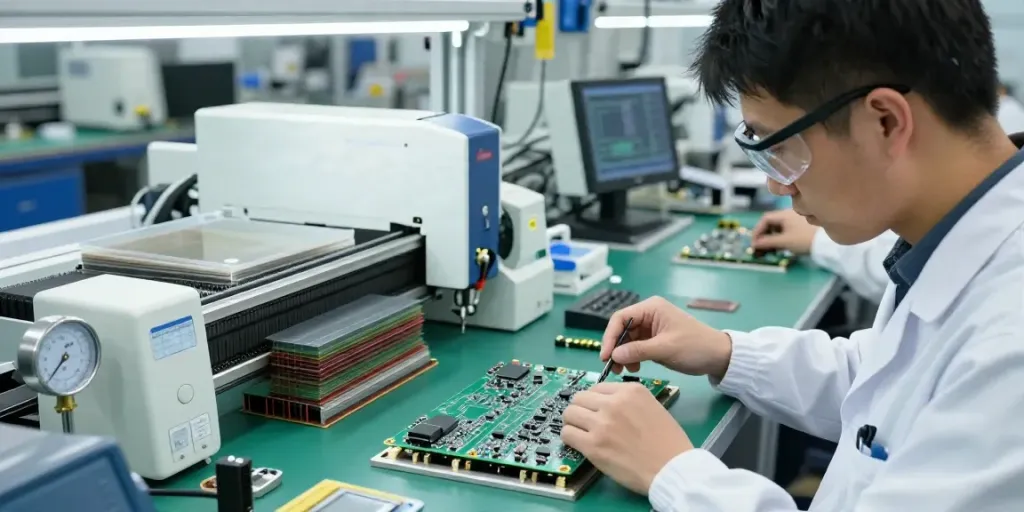
1. Material Preparation Techniques
Effective fabrication of RT5880 involves several material preparation techniques. These include proper storage conditions to prevent moisture absorption, as well as pre-treatment processes that prepare the surface for effective copper bonding. Additionally, care must be taken during cutting to ensure no delamination occurs, which could compromise the integrity of the PCB.
2. Key Fabrication Methods
The fabrication of RT5880 PCBs typically involves the following methods:
- Drilling: Precision drilling is essential for achieving accurate hole sizes and positions for vias and components.
- Etching: Photolithography is utilized to define the circuit patterns, followed by etching to remove excess copper.
- Plating: Electroless plating techniques are often used to metallize drilled holes, providing the necessary conductivity without compromising material integrity.
3. Quality Control Measures
Quality control is critical throughout the PCB fabrication process. Acceptable tests include:
- Electrical Testing: Ensuring the circuit operates as intended under specified conditions.
- Dimensional Inspection: Verifying that all fabricated dimensions meet design specifications.
- Thermal Cycling Tests: Evaluating the PCB's ability to withstand temperature fluctuations.
Common Challenges in RT5880 PCB Fabrication
1. Handling and Storage Issues
One of the primary challenges in working with RT5880 is the handling and storage of the material. Due to its sensitivity to moisture and environmental conditions, manufacturers must ensure that RT5880 is stored in controlled environments to maintain its properties. Improper storage can lead to moisture absorption, which can significantly affect the laminate's dielectric performance.
2. Cost Considerations
While the performance benefits of RT5880 are substantial, the material cost can be a barrier for some manufacturers. Balancing performance needs with budget constraints is essential, especially in competitive markets. However, the long-term advantages of reduced signal loss and improved durability often justify the initial investment.
3. Environmental Impacts and Regulations
As with many materials, RT5880 must be evaluated for environmental impacts during both manufacturing and disposal. Compliance with regulations such as RoHS can pose additional challenges, necessitating thorough documentation and adherence to sustainable practices throughout the PCB lifecycle.
Future Trends in PCB Fabrication for 2026 and Beyond
1. Innovations in Material Technology
The PCB industry is witnessing continuous advancements in material technologies. Innovations such as hybrid materials combining the benefits of PTFE with other substrates are emerging, potentially enhancing the performance and reducing costs associated with high-frequency applications.
2. Emerging Applications of RT5880
The future appears bright for RT5880 as it finds new applications beyond traditional RF communication. Its robustness is being explored in automotive applications, particularly in sensors and autonomous driving technologies where reliability and performance are crucial.
3. Predictions for the PCB Industry
As the demand for electronic devices escalates, the PCB industry is set to evolve rapidly. A shift towards miniaturization and higher integration of components will necessitate materials like RT5880 that can deliver high performance in compact formats. Advancements in fabrication technologies will also play a key role in enabling more complex designs.
What is Rogers RT5880?
Rogers RT5880 is a high-frequency laminate used in the fabrication of printed circuit boards. Its low-loss characteristics make it ideal for RF applications.
What is the dielectric constant of Rogers RT5880?
The dielectric constant of Rogers RT5880 is approximately 2.2, which contributes to its effectiveness in high-frequency applications.
What is Rogers PCB material?
Rogers PCB material refers to the specialized substrates developed by Rogers Corporation for high-frequency and microwave applications.
What is the dielectric constant of Rogers material?
The dielectric constant of Rogers materials varies depending on the specific type, but many are designed to have low Dk values for optimal signal integrity.